Silicone has quietly become the material parents trust most for baby gear, and for good reason. Food-grade and medical-grade silicone is inert, contains no BPA, BPS, PVC or phthalates, tolerates the dishwasher and microwave, and does not shed microplastics the way petroleum-based plastics do. For anything that touches your baby's mouth or food, silicone is the safest practical choice after glass and stainless steel.
This guide covers the silicone baby products genuinely worth buying in 2026 — feeding mats, bibs, bottles, teethers, spoons and food storage — chosen for verified food-grade material, durability, and real parent reviews at scale. Every pick below is dishwasher-safe and free of the plastics flagged by the AAP for infant feeding gear.
Why silicone is the safest everyday material for baby gear
Silicone is made from silica (sand), not petroleum. Medical-grade and food-grade silicone is non-reactive: it does not leach chemicals into food, does not absorb odors or bacteria the way porous plastics can, and stays stable across the temperature range of a dishwasher, microwave, freezer and boiling-water sterilizer. The AAP's 2018 guidance on food additives specifically steers parents away from plastics #3, #6 and #7 for feeding equipment — silicone sidesteps that concern entirely.
One caveat worth knowing: look for "food-grade" or "medical-grade" on the label. A small number of cheap imported silicone products use fillers that can make the silicone less stable. A quick test for filler is the "pinch and twist" — pure silicone stays its original color when stretched, while filler-heavy silicone shows a white streak.
Our top silicone baby products for 2026

ezpz Mini Mat Silicone Placemat
An all-in-one silicone placemat and plate that suctions directly to the table, so it cannot be flipped or thrown. The raised edges keep food contained and the one-piece design means there is nothing to clog or harbor bacteria. Dishwasher and microwave safe.
- Suctions to the table
- One-piece, easy to clean
- Dishwasher and microwave safe
- Suction works best on smooth surfaces

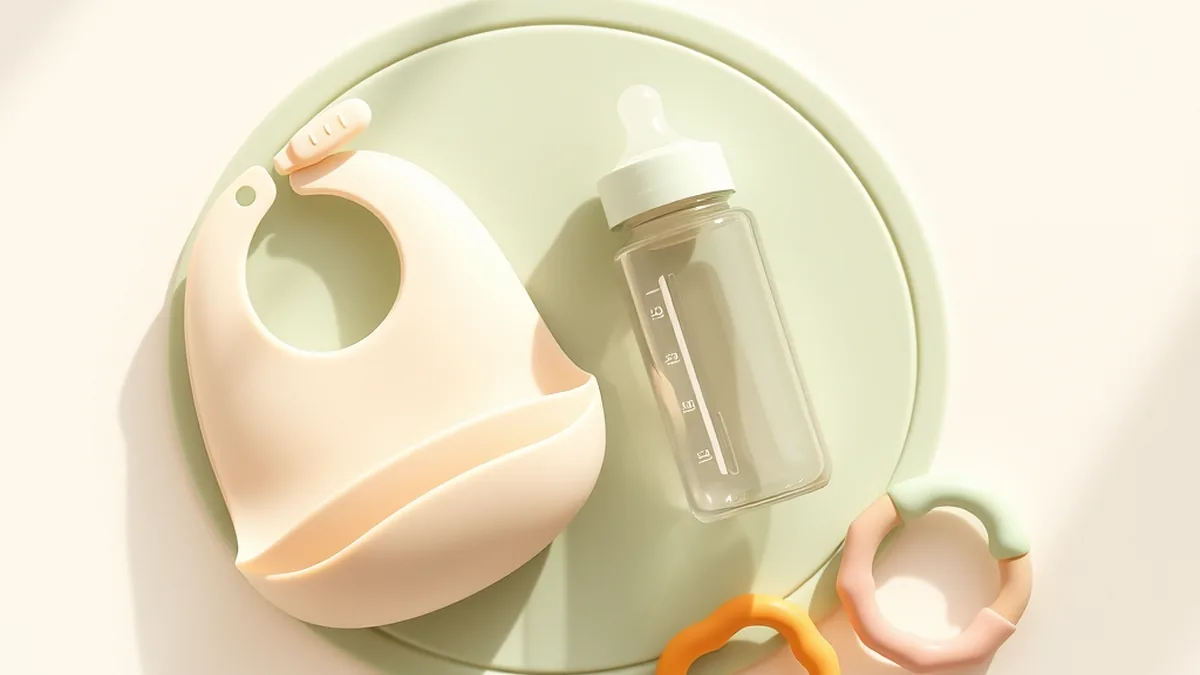
Bumkins Silicone Baby Bib
A soft, flexible silicone bib with a deep food-catching pocket that stays open to catch drops and crumbs. Wipes clean in seconds, rolls up for the diaper bag, and does not absorb stains or smells like fabric bibs.
- Deep food-catching pocket
- Wipes or rinses clean instantly
- Adjustable neck fit
- Some babies dislike the firmer feel at first
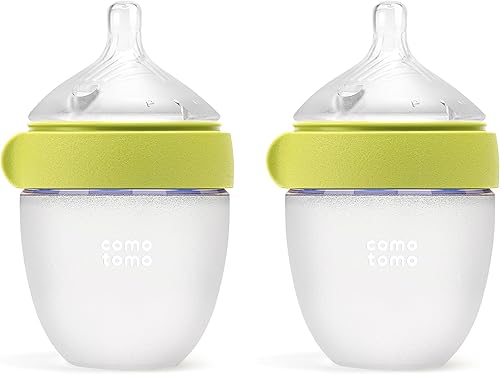
Comotomo Silicone Baby Bottle
A 100% medical-grade silicone bottle with a soft, breast-like body and nipple shape. The ultra-wide neck makes hand-washing effortless, and it survives the microwave, dishwasher and boiling-water sterilizing without degrading.
- Medical-grade silicone
- Breast-like shape eases bottle transition
- Wide neck cleans easily
- Soft body can feel floppy when full

Mushie Silicone Teether
A one-piece food-grade silicone teether with varied textures to soothe sore gums. No seams, no joints and no separate parts means no place for bacteria or mold to hide, and it is easy to keep clean.
- Seamless one-piece design
- Varied textures for gums
- Easy to sterilize
- Not freezer-firm like gel teethers
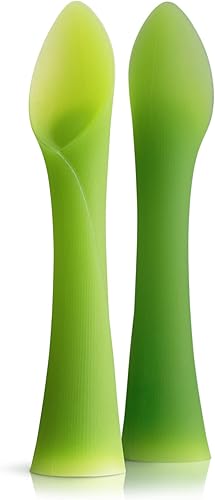
Olababy Silicone Training Spoon
A soft-tipped silicone spoon designed for the start of solids around 6 months. The gentle flexible tip protects tender gums, and the shape supports both parent-feeding and early self-feeding practice.
- Soft, gum-safe tip
- Good for self-feeding practice
- Steam-sterilizer safe
- Shallow bowl holds little food
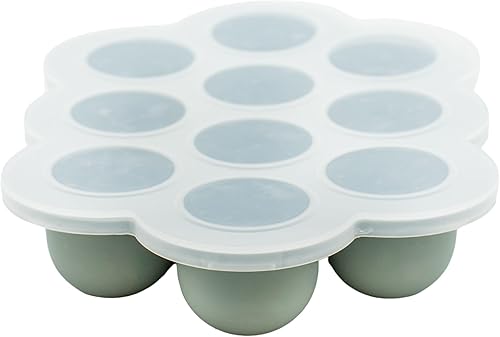
WeeSprout Silicone Baby Food Storage
Leak-proof silicone storage containers sized for homemade purees and snacks. Freezer, microwave and dishwasher safe, they replace single-use pouches and cloudy plastic containers that need frequent replacing.
- Leak-proof lids
- Freezer-to-microwave safe
- Replaces disposable pouches
- Bulkier than flat pouches

ezpz Tiny Cup Silicone Training Cup
A small, weighted silicone open cup sized for tiny hands, recommended by feeding therapists for teaching real drinking from around 6 months. The soft rim is gentle on gums and the wall thickness controls flow.
- Therapist-recommended open cup
- Soft, gum-safe rim
- Weighted base for stability
- Expect spills during the learning phase
How to choose silicone baby products
Three things matter when shopping. First, confirm the label says food-grade or medical-grade silicone — that is the meaningful safety signal. Second, prefer one-piece designs for anything that goes in the mouth: seams and joints in teethers and bibs are where mold and bacteria collect. Third, check that the product is dishwasher-safe on the top rack, which all of our picks are — that is the practical difference between a product you actually keep clean and one you do not.
Silicone does attract lint and dust electrostatically. A quick rinse before use handles it, and storing items in a drawer rather than open on the counter keeps them cleaner between uses.
Silicone vs. plastic vs. glass for baby gear
Silicone vs. plastic: silicone wins decisively for anything mouth- or food-contact. It does not shed microplastics, does not leach BPA/BPS, and does not develop the micro-cracks that make old plastic harbor bacteria. Plastic is fine for non-food-contact toys and gear.
Silicone vs. glass: glass is the only material that is completely inert and is the gold standard for bottles. But glass breaks. Silicone is the practical, unbreakable everyday choice — best for mats, bibs, teethers, spoons and storage where drop-resistance matters.
Frequently asked questions
Related reading from Your Happy Baby
- Must-Have Baby Products: 2026 Registry Checklist
- Best Baby Feeding Products of 2026
- How to Choose Baby Products: Buying Guide
- Best Plastic-Free Baby Products for Newborns