What changed in this May 2026 update: We re-validated every framework piece against current American Academy of Dermatology infant skincare guidance and the latest EWG Skin Deep ingredient flagging methodology. Refreshed ingredient examples and added current FDA cosmetic-rule context. Next scheduled review: August 2026.
Affiliate Disclosure: As an Amazon Associate, we earn from qualifying purchases. This comes at no extra cost to you.
Last updated: April 2026 | Reviewed by the YourHappyBaby editorial team
The baby skincare aisle is one of the most overwhelming sections of any baby store — dozens of products, competing claims, overlapping categories, and a general implication that you need all of them. You don't. Newborn skin is sensitive but not fragile in the way marketing implies. Its primary needs are: gentle cleansing that doesn't strip the natural barrier, consistent moisturization to compensate for the immature barrier in the first months, and protection from specific hazards (sun, diaper moisture, friction).
This guide walks through exactly how to choose a baby skincare product in each category, what ingredients to look for and avoid, how to read labels without a chemistry degree, and how to identify whether your baby's skin is responding well or needs a different approach. At the end of each section we recommend specific products — but the framework for choosing is more valuable than the picks themselves.
Understanding Newborn Skin: Why It's Different
Newborn skin differs from adult skin in several meaningful ways that affect every skincare decision:
- Thinner stratum corneum: The outermost protective layer is less developed at birth and matures gradually over 12–18 months. This makes newborn skin more permeable — ingredients penetrate more readily than in older skin.
- Higher surface-area-to-body-weight ratio: Infants have proportionally more skin surface relative to body weight than adults. Products applied to the skin represent a proportionally larger exposure relative to body weight.
- Immature pH: Newborn skin pH starts near-neutral (pH 6.5–7) and acidifies to the adult "acid mantle" of pH 4.5–5.5 over the first few weeks. Products formulated for adult skin pH can disrupt this developing acid mantle.
- Higher transepidermal water loss (TEWL): Newborns lose water through the skin more readily than older children or adults, making adequate moisturization more important in the first months.
These differences mean: fewer ingredients is better (less exposure through a permeable barrier), fragrance-free is important (fragrance is the most common contact allergen and penetrates more readily through newborn skin), and pH-appropriate formulations matter for the first weeks.
The Three Products Every Baby Actually Needs
1. A Gentle Cleanser — How to Choose
What to look for:
- Fragrance-free. No exceptions for the first six months. "Lightly scented" or "natural fragrance" is still a fragrance complex and still a contact allergen risk.
- pH-balanced (pH 5–7 for infants). Most baby-specific cleansers are formulated in this range; adult body washes often are not.
- Gentle surfactants. Look for: cocamidopropyl betaine, decyl glucoside, or sodium cocoyl isethionate as the primary cleansing agents. These are significantly gentler than sodium lauryl sulfate (SLS).
- Tear-free formulation. Standard for baby washes — confirmed by the absence of eye-irritant surfactants at the concentrations used.
What to avoid:
- Sodium lauryl sulfate (SLS) as the primary surfactant — too stripping for newborn skin
- Fragrances (including "natural" or "essential oil" fragrances)
- Formaldehyde-releasing preservatives (DMDM hydantoin, quaternium-15, imidazolidinyl urea)
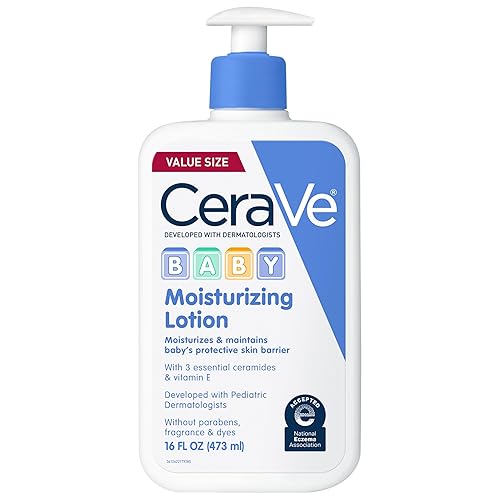
CeraVe Baby Wash and Shampoo
- Ceramide formulations are slightly more expensive than basic baby washes
- Packaging is not eco-certified (though formula is clean)
- Some babies with very sensitive skin can react to hyaluronic acid — rare but possible
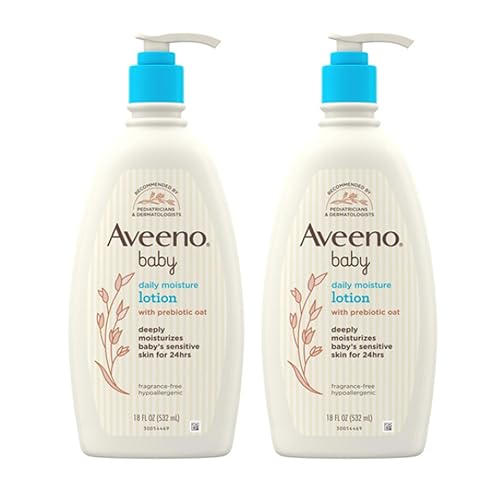
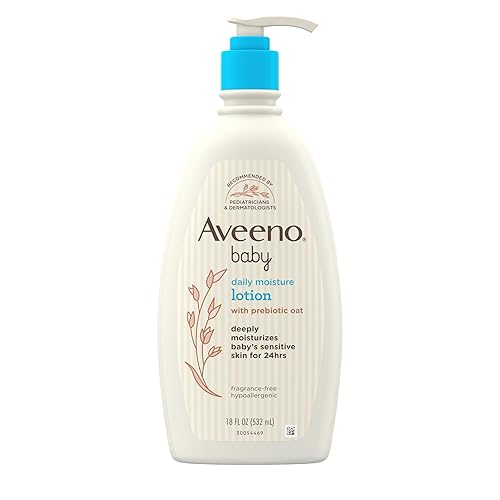
2. A Daily Moisturizer — How to Choose
What to look for:
- Emollient + humectant combination. Emollients (shea butter, oils) fill cracks in the skin surface; humectants (glycerin, hyaluronic acid) attract water to the skin. The best moisturizers contain both.
- Fragrance-free. Same rationale as cleanser.
- Appropriate for daily full-body use. Lotions are better than creams for full-body daily application — lighter texture, spreads easily, absorbs without residue.
- Third-party certification is meaningful here: EWG Verified, National Eczema Association accepted, or MADE SAFE.
What to avoid:
- Mineral oil as the primary moisturizing ingredient — it is occlusive (seals the surface) but provides no lipid to support the barrier
- Parabens (methylparaben, propylparaben, butylparaben) — endocrine-disrupting potential
- Fragrance (as above)
- Very long ingredient lists for a basic moisturizer — more ingredients mean more potential irritants
3. A Barrier Ointment — How to Choose
A barrier ointment is different from a moisturizer — it is an occlusive product that creates a physical seal over irritated, damaged, or at-risk skin. It is used for diaper rash prevention and treatment, dry patches, chapped skin, and protecting healing skin from further exposure.
What to look for:
- High occlusive content. Petrolatum-based (Aquaphor), zinc oxide-based (for diaper area), or plant-oil-based (for families avoiding petrolatum — shea + beeswax combinations).
- Fragrance-free.
- Minimal ingredients. Barrier ointments work by physical occlusion — they don't need 15 ingredients to do their job.
Aquaphor Baby Healing Ointment
Aquaphor Baby Healing Ointment is a 41% petrolatum base with panthenol (vitamin B5), glycerin, and bisabolol — a simple, proven formula that creates an effective occlusive barrier over skin while allowing some moisture exchange (unlike 100% pure petrolatum, which occludes completely). Fragrance-free, preservative-free. Pediatrician-recommended for diaper rash, dry skin, chapped cheeks, minor irritation, and protecting skin during healing. One of the most versatile baby skincare products available — parents reach for it multiple times per week for multiple uses. The 14oz jar is the best value for regular users.
- 41% petrolatum — effective occlusive barrier
- Panthenol and bisabolol support healing
- Fragrance-free and preservative-free
- Pediatrician-recommended
- Multi-use: diaper rash, dry patches, chapped skin, healing protection
- Very long-lasting — a little goes a long way
- Petrolatum is petroleum-derived — not for families specifically avoiding petroleum ingredients
- Greasy texture transfers to fabric
- Not a substitute for zinc oxide cream for severe established diaper rash
4. Sunscreen (Once Baby Is Going Outdoors) — How to Choose
The AAP recommends keeping infants under 6 months out of direct sun — shade, protective clothing, and hats rather than sunscreen where possible. From 6 months onward, sunscreen is appropriate for skin that cannot be covered.
What to look for:
- Mineral (physical) active ingredients only: Zinc oxide and/or titanium dioxide — these are the FDA-classified GRASE (Generally Recognized As Safe and Effective) UV filters. Chemical UV filters (oxybenzone, octinoxate, octisalate, avobenzone) are classified as NGRSE by the FDA — more safety data needed.
- SPF 30 or higher. SPF 30 blocks 97% of UVB; SPF 50 blocks 98%. The difference is small but both are appropriate.
- Water resistant 40 or 80 minutes. Required for outdoor activities.
- Fragrance-free.
Vanicream Moisturizing Skin Cream for Sensitive Skin
Condition-Specific Guidance
If Your Baby Has Eczema (Atopic Dermatitis)
Eczema affects approximately 15–20% of infants and typically appears at 3–6 months. The primary intervention is:
- Moisturize heavily and frequently — twice daily minimum, immediately after bath while skin is damp ("soak and seal")
- Use fragrance-free everything — detergent, skincare, and clothing
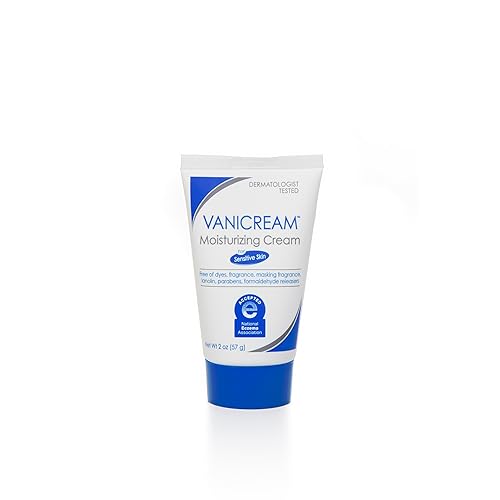
- Use a cream, not a lotion — Vanicream, CeraVe Moisturizing Cream, or Eucerin Eczema Relief are the standard recommendations
- Consult your pediatrician if moisturization alone doesn't control flares — prescription topical steroids (hydrocortisone 1% or stronger) are the standard medical treatment
Products marketed specifically as "eczema treatment" often contain the same colloidal oatmeal available in standard baby moisturizers. The key intervention is consistency of moisturization — any good fragrance-free moisturizer applied diligently is more effective than an "eczema-specific" product applied inconsistently.
If Your Baby Has Cradle Cap
Cradle cap (infantile seborrheic dermatitis) is common in the first three months and typically resolves on its own. Treatment approach:
- Apply coconut oil or mineral oil to the affected scalp — let sit 15–20 minutes
- Gently massage with a soft silicone brush (FridaBaby DermaFrida or similar)
- Wash with a gentle baby shampoo
- Gently comb through loosened flakes with a fine-tooth baby comb
Do not pick at cradle cap directly — the scale will release with the oil-and-comb process. Repeat every 2–3 days until the scalp clears.
If Your Baby Has Diaper Rash
Distinguish between contact rash (most common) and yeast rash before treating:
- Contact rash: Flat, red, in the diaper area without distinct edges. Treat with 40% zinc oxide cream (Desitin Maximum Strength) at every change. Clears in 24–72 hours.
- Yeast rash: Distinct raised border, satellite spots outside the main rash area, persists or worsens after 72 hours of zinc oxide treatment. Requires antifungal treatment — contact your pediatrician.
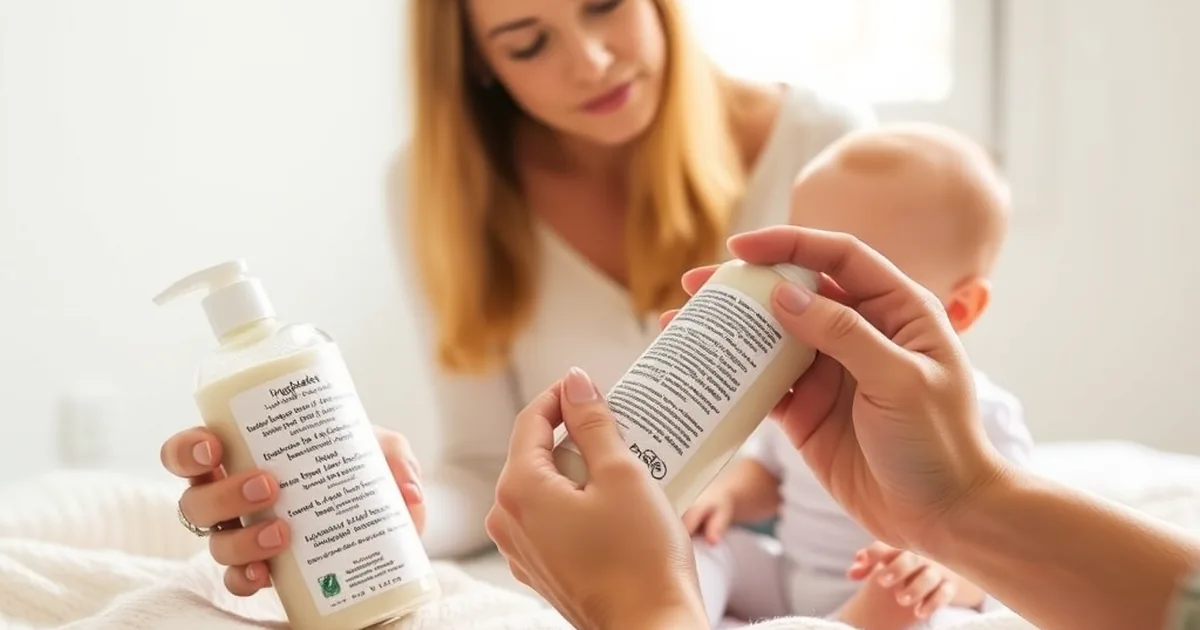
How to Read a Baby Skincare Label: A Practical Guide
Ingredient List Order
Ingredients are listed in descending order of concentration. The first five ingredients are the bulk of what you're applying to your baby's skin. If "water, glycerin, shea butter" are the first three, that's a water-glycerin-oil base. If "petrolatum" is first, that's primarily a petrolatum product. If a trendy ingredient (calendula, rose water, vitamin E) appears late in the list, it is a trace marketing amount — not a meaningful concentration.
Fragrance
A single listing of "fragrance" or "parfum" on an ingredient label can represent a blend of dozens of undisclosed chemical compounds under trade-secret protections. This is the primary reason fragrance-free (not "unscented") matters: "unscented" products may contain masking fragrances to neutralize other ingredient odors. Fragrance-free means no fragrance compounds were added.
"Natural" vs "Organic" vs Certified
"Natural" means nothing legally. "Organic" used in a product name without USDA certification can be claimed without meeting any standard. The certifications that mean something: USDA Organic (for agricultural ingredients), EWG Verified (full ingredient review), MADE SAFE (hazard-screened ingredients), National Eczema Association accepted (tested for irritancy in sensitive skin). Look for these specific marks, not the marketing language.
Quick Comparison Table
| Product | Category | Best For | Certification | Price Range |
|---|---|---|---|---|
| CeraVe Baby Wash | Cleanser | All babies, eczema-prone | NEA Accepted | $$ |
| Aveeno Baby Daily Moisture | Moisturizer | Daily moisturizing | NEA Accepted | $$ |
| Aquaphor Baby | Barrier Ointment | Dry patches, diaper barrier | Pediatrician recommended | $ |
| Vanicream Moisturizing Cream | Eczema Moisturizer | Eczema, very sensitive skin | NEA Accepted | $$ |
| Pipette Baby Lotion | Moisturizer | Clean ingredients, daily use | EWG Verified | $ |
| Mustela Hydra Bébé Body Lotion | Moisturizer | Very dry newborn skin | Dermatologist tested | $$$ |
5. Pipette Baby Lotion — Best EWG Verified Budget Option
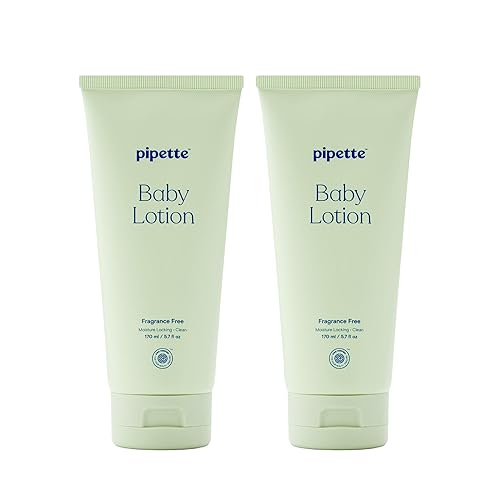
Pipette Baby Lotion
Pipette Baby Lotion is EWG Verified and built on a sugarcane-derived squalane base. Squalane is structurally similar to the natural lipids in human sebum — it absorbs rapidly, doesn't feel greasy, and supports the skin barrier without occlusion. Fragrance-free, hypoallergenic, tested on premature infant skin. Paraben-free, phthalate-free, sulfate-free. One of the most affordable EWG Verified baby lotions available, widely stocked at Target and Walmart. Good everyday moisturizer for normal baby skin; upgrade to Vanicream or CeraVe Moisturizing Cream for eczema.
- EWG Verified certification
- Sugarcane squalane absorbs rapidly
- Tested on premature infant skin
- Affordable EWG Verified option
- Available at Target and Walmart
- Fragrance-free
6. Mustela Hydra Bébé Body Lotion — Best for Very Dry Skin
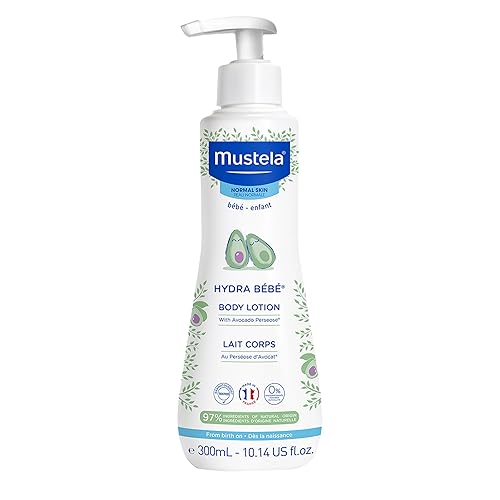
Mustela Hydra Bébé Body Lotion
Mustela Hydra Bébé Body Lotion uses avocado perseose — a patented Mustela ingredient derived from avocado that has been clinically shown to protect the skin's natural moisturizing factors in newborn skin — alongside glycerin and sunflower seed oil. Fragrance-free. Dermatologist-tested. Mustela is a French dermatological brand with over 65 years focused on pediatric skincare — it is the skincare brand used in more French maternity hospitals than any other. The Hydra Bébé line is the everyday moisturizing range; Mustela's Stelatopia line is for eczema. The light, non-greasy texture absorbs quickly.
- Avocado perseose has clinical evidence for protecting newborn skin moisturizing factors
- Fragrance-free, dermatologist-tested
- 65-year pediatric dermatology focus
- Used in French maternity hospitals
- Light, non-greasy texture
- Stelatopia upgrade available for eczema
Frequently Asked Questions
The Core Baby Skincare Routine: A Summary
Birth to 3 months:
- Bath 2–3× per week with fragrance-free gentle wash (CeraVe Baby or Puracy)
- Moisturize daily with fragrance-free lotion (Aveeno Baby or Pipette)
- Apply Aquaphor to any dry patches and to the diaper area at each change for prevention
3–6 months:
- Same as above
- Add zinc oxide diaper cream (Desitin Maximum Strength) if any rash appears
- Begin sunscreen if regularly spending time outdoors (mineral SPF 30+ for any exposed skin)
6–12 months:
- Bathing can increase to daily if baby enjoys it and skin is not drying out
- Switch to conditioning shampoo if hair is thickening (Honest Conditioning Shampoo or similar)
- Continue daily moisturizer and targeted barrier as needed
- Add baby toothpaste and brush when first teeth appear
Final Verdict
Choosing baby skincare products is simpler than the baby aisle makes it look. The decision tree is: fragrance-free first (always), gentle surfactants in the cleanser (look for glucoside or betaine-based), a tested moisturizer that either has colloidal oatmeal (Aveeno Baby, Babo Botanicals) or squalane (Pipette) for clean-formula preference, and Aquaphor for barrier and targeted use. If your baby develops eczema, upgrade to Vanicream or CeraVe Moisturizing Cream for their twice-daily moisturizing routine. Everything else is add-on, not essential. Start simple, add only what your baby's skin actually needs, and ignore the products that solve problems you don't have.
Authoritative sources we consulted for this guide
- American Academy of Dermatology — Baby Skin Care
- HealthyChildren.org (AAP) — Bathing & Skin Care
- EWG Skin Deep ingredient database
- FDA — Cosmetics regulations & ingredient bulletins
- PubMed — Peer-reviewed studies on infant skin barrier function
- National Eczema Association — Seal of Acceptance criteria
This guide is parent-experience-based and references the public sources above. It is not a substitute for medical advice. Always consult your pediatrician or pediatric dermatologist for any persistent skin condition.
Frequently asked questions (continued)
Start with three core products: a fragrance-free body wash, a thick moisturizing cream, and a mineral sunscreen (over 6 months). Add a diaper cream if rashes are recurring. Skip everything else - more products mean more potential irritants. The AAP recommends keeping the routine to 3-5 products in the first year.