What changed in this May 2026 update: We re-checked all sleep products against the active CPSC recall list (critical for sleep gear) and the latest AAP safe-sleep guidance. Verified all picks comply with the 2022 Safe Sleep for Babies Act. Refreshed price ranges. Next scheduled review: August 2026.
Affiliate Disclosure: As an Amazon Associate, we earn from qualifying purchases. This comes at no extra cost to you.
Last updated: April 2026 | Medically reviewed by a pediatric sleep consultant
Sleep is the foundation of everything in early parenthood — your baby's development, your mental health, and your ability to function as a human being. Yet getting a newborn to sleep safely and soundly is one of the biggest challenges new parents face. The right baby sleep products can make the difference between a household that's barely surviving and one that's actually thriving. According to the American Academy of Pediatrics (AAP), infants need 12 to 16 hours of sleep per day in the first year, and creating a safe, consistent sleep environment is critical to both safety and quality rest.
We've spent months evaluating the most popular baby sleep aid products on the market — from wearable blankets and swaddles to sound machines and weighted sleep sacks. Every product on this list meets current AAP safe sleep guidelines, and we've factored in real parent feedback, safety certifications, fabric quality, and long-term value. Whether you're building a nursery from scratch or looking for that one product that finally helps everyone get more rest, this guide covers the best baby sleep products worth your money in 2026.
Our Top Picks at a Glance
| Product | Best For | Rating | Price Range |
|---|---|---|---|
| Halo SleepSack Swaddle | Best Overall | 4.7/5 | $25–$35 |
| Kyte Baby Sleep Bag | Best Premium | 4.8/5 | $36–$46 |
| Burt's Bees Baby Beekeeper Wearable Blanket | Best Budget | 4.6/5 | $18–$25 |
| Yogasleep Hushh 2 Portable Sound Machine | Best Sound Machine | 4.8/5 | $70–$90 |
| Marpac Dohm White Noise Machine | Best Classic White Noise | 4.5/5 | $35–$45 |
| Love to Dream Swaddle Up | Best for Self-Soothers | 4.7/5 | $26–$34 |
| Nested Bean Zen Sack | Best Weighted | 4.4/5 | $38–$48 |
Each of these products to help baby sleep addresses a different aspect of the sleep puzzle. Some babies respond best to the snug comfort of a swaddle, while others sleep better with white noise masking household sounds. Many parents find that combining a quality wearable blanket with a sound machine creates the most effective sleep environment. Below, we break down exactly what makes each product stand out and which type of family it's best suited for.
1. Halo SleepSack Swaddle — Best Overall
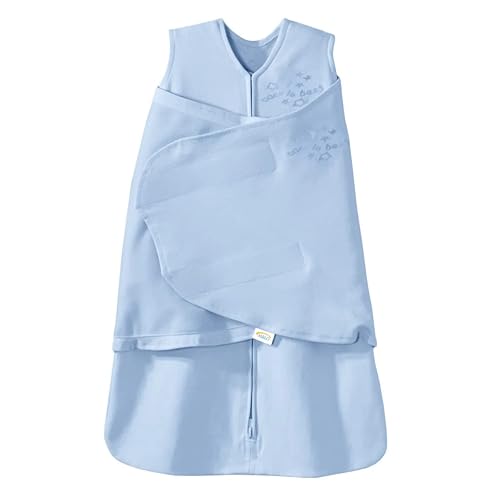
Halo SleepSack Swaddle
The Halo SleepSack Swaddle is the only swaddle product recognized by leading hospitals and the International Hip Dysplasia Institute. Its patented 3-in-1 design lets parents swaddle arms in, arms out, or one arm out — making it the most versatile swaddle-to-sleep-sack transition product available.
- 3-in-1 design grows with baby through the swaddle transition
- Used in over 1,500 hospital nurseries nationwide
- Inverted zipper makes diaper changes easy without unwrapping
- Hip-healthy design certified by the International Hip Dysplasia Institute
- Velcro tabs can wear down after many washes
- Sizing runs slightly large on smaller newborns
- Velcro sound may startle light sleepers
There's a reason the Halo SleepSack Swaddle is the baby sleep product you'll find in more hospital nurseries than any other. Its patented design solves the single biggest pain point parents face with swaddles: the transition period when your baby starts showing signs of rolling but still needs the comfort of being wrapped. Instead of buying separate swaddles and sleep sacks, the Halo 3-in-1 system lets you swaddle with both arms in during the newborn stage, transition to one arm out as your baby develops, and eventually use it as a wearable blanket with both arms free. This staged approach aligns perfectly with AAP safe sleep guidelines, which recommend stopping swaddling as soon as a baby shows signs of rolling — typically around 8 to 12 weeks.
The fabric options range from lightweight cotton muslin (ideal for warmer rooms) to microfleece for cooler temperatures, with TOG ratings from 0.5 to 2.5 depending on the material. The inverted zipper is a small design detail that makes a huge difference at 2 a.m. — you can unzip from the bottom for diaper changes without unwrapping your baby's arms or disturbing their sleep. The hip-healthy certification from the International Hip Dysplasia Institute is another important safety signal: unlike some tight swaddles that restrict leg movement, the Halo allows full hip flexion and abduction while still providing the snug upper-body wrap that calms the Moro reflex.
At $25 to $35 depending on size and fabric, this is one of the most reasonably priced baby safe sleep products on the market — especially considering it replaces both a swaddle and a sleep sack. We recommend having at least two on hand so you always have a clean one ready during the inevitable nighttime blowout.
Who it's best for: First-time parents who want a single, hospital-trusted product that covers the newborn swaddle stage through the sleep sack transition without buying multiple products.
2. Kyte Baby Sleep Bag — Best Premium
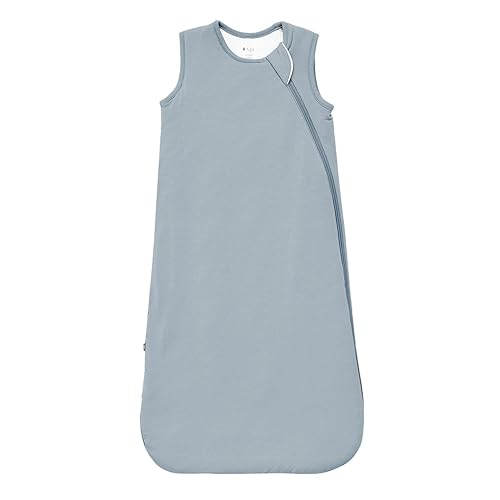
Kyte Baby Sleep Bag
Made from silky-soft bamboo rayon fabric, the Kyte Baby Sleep Bag has earned a cult following among parents for its exceptionally luxurious feel and temperature-regulating properties. Available in a wide range of colors and prints, it's the premium wearable blanket that parents buy multiples of.
- Bamboo rayon fabric is exceptionally soft and breathable
- Naturally temperature-regulating — keeps baby comfortable year-round
- Beautiful colors and seasonal prints parents love
- Available in 1.0 and 2.5 TOG for different climates
- Higher price point than cotton alternatives
- Popular prints and sizes sell out frequently
- Some parents report slight shrinkage after first wash
If you've ever touched a Kyte Baby product in person, you immediately understand why parents become obsessed. The bamboo rayon fabric is genuinely on another level from standard cotton — it's silky, cool to the touch, and remarkably soft against a baby's sensitive skin. But beyond the luxury feel, bamboo rayon has practical sleep benefits: it's naturally temperature-regulating, wicking moisture away from the body in warm conditions and retaining warmth in cooler temperatures. For babies who tend to overheat or who sleep in rooms where the temperature fluctuates, this thermoregulation is a real advantage.
Kyte Baby offers their sleep sacks baby products in two TOG ratings: 1.0 TOG for room temperatures between 69 and 73 degrees Fahrenheit, and 2.5 TOG for cooler rooms between 61 and 68 degrees. Understanding TOG ratings is important for safe sleep — a TOG that's too high for your room temperature can cause overheating, which is a known risk factor in SIDS. The 1.0 TOG version works well for most climate-controlled homes, while the 2.5 TOG is better suited for families in colder climates or those who keep their thermostat lower at night. The dual-direction zipper makes nighttime changes easy, and the generous sizing in the leg area supports healthy hip development.
The only real downside is price: at $36 to $46 per sleep bag, building a full rotation for laundry days adds up. But parents who invest in Kyte Baby products consistently report that nothing else comes close in terms of fabric quality and baby comfort. If your baby has eczema or particularly sensitive skin, the naturally hypoallergenic bamboo material may be worth the premium alone.
Who it's best for: Parents who prioritize premium fabric quality and temperature regulation, especially those with babies who have sensitive skin or tend to overheat during sleep.
3. Burt's Bees Baby Beekeeper Wearable Blanket — Best Budget
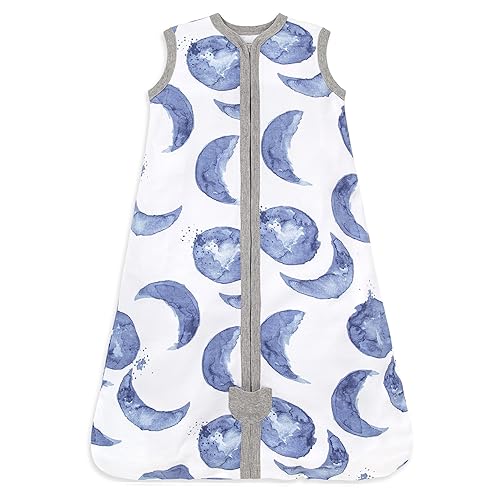
Burt's Bees Baby Beekeeper Wearable Blanket
Made from 100% GOTS-certified organic cotton, the Burt's Bees Baby Beekeeper Wearable Blanket delivers clean, safe materials at a price point that won't strain your budget. The classic quilted design provides lightweight warmth without the risks associated with loose blankets in the crib.
- 100% GOTS-certified organic cotton — no harsh chemicals
- Most affordable organic sleep sack on the market
- Soft quilted cotton is comfortable year-round
- Adorable patterns that hold up well through washing
- Only available in a single TOG weight
- No swaddle function — arms-out only
- Zipper runs top to bottom rather than inverted
Not every family needs to spend $40 or more on a sleep sack, and the Burt's Bees Baby Beekeeper proves that excellent quality is available at a budget-friendly price. At $18 to $25, it's roughly half the cost of premium options like Kyte Baby, yet it delivers on the most important metric: 100% GOTS-certified organic cotton that's been tested and verified free from harmful pesticides, chemicals, and dyes. For parents who care about what touches their baby's skin but don't want to pay luxury prices, this is the sweet spot.
The quilted cotton construction puts this wearable blanket at roughly 1.0 TOG, making it suitable for most temperature-controlled nurseries between 68 and 72 degrees Fahrenheit. It replaces the need for loose blankets in the crib — which the AAP strongly advises against for the first year — while keeping your baby comfortably warm throughout the night. The fabric is pre-washed and gets softer with each wash cycle, and parents report that the prints hold up well even after dozens of runs through the machine. If you're looking for solid baby safe sleep products that come from a brand you trust, the Beekeeper is hard to beat at this price point.
The main trade-off for the lower price is fewer features: there's no swaddle option, the zipper runs top to bottom rather than the more convenient inverted style, and there's only one warmth weight available. But for families who need an arms-out sleep sack for a baby who's past the swaddle stage, these trade-offs are perfectly reasonable. Stock up on two or three at this price and you'll always have a clean one ready.
Who it's best for: Budget-conscious parents who want organic, certified-safe materials without paying premium prices — especially for babies past the swaddle stage (typically 3+ months).
4. Yogasleep Hushh 2 Portable Sound Machine — Best Sound Machine
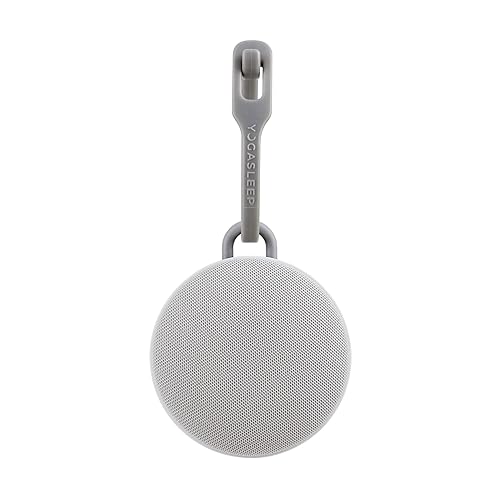
Yogasleep Hushh 2 Portable Sound Machine
The Hatch Rest is a 3-in-1 sound machine, night light, and time-to-rise alarm that's fully controllable from your smartphone. Its curated sound library, adjustable night light with millions of color options, and programmable routines make it the most versatile nursery device available.
- Full app control — adjust volume, sound, and light without entering the nursery
- Grows with your child from newborn through preschool years
- Customizable sleep programs with scheduled on/off times
- Soft, warm night light perfect for nighttime feeds
- Requires Wi-Fi for app functionality
- Premium price compared to single-function sound machines
- Occasional firmware updates require reconnection
If you ask a hundred parents what single product improved their baby's sleep the most, the Hatch Rest will appear on nearly every list. It works on a simple but powerful principle: consistent auditory and visual cues train your baby's brain to associate specific sounds and lighting with sleep. The app-controlled design means you can start the bedtime routine from the couch, adjust the volume if your baby stirs without opening the door, and program automatic shutoffs or all-night play. The sound library includes white noise, pink noise, rain, ocean waves, and lullabies — and the ability to fine-tune volume from your phone eliminates the guessing game of "is it loud enough to mask the dog barking?"
The night light function is equally thoughtful. During nighttime feeds or diaper changes, the last thing you want is a bright overhead light that signals "daytime" to your baby's circadian rhythm. The Hatch produces a soft, adjustable glow in any color you choose — most sleep consultants recommend warm amber or red tones, which are least disruptive to melatonin production. You can also program color-coded wake signals for toddlers: green means it's okay to get up, red means stay in bed. This transforms the Hatch from a newborn baby sleep aid product into a toddler sleep training tool, giving it three to four years of daily use.
At $70 to $90, the Hatch Rest is a meaningful investment over a basic $20 sound machine. But when you consider that it replaces a sound machine, a night light, and eventually a toddler clock — and that you'll use it every single night for years — the per-use cost is genuinely minimal. This is one of those products to help baby sleep that pays for itself in the first week of better rest.
Who it's best for: Tech-savvy parents who want a single, app-controlled device that creates a complete sleep environment and grows with their child from infancy through the preschool years.
5. Marpac Dohm White Noise Machine — Best Classic White Noise
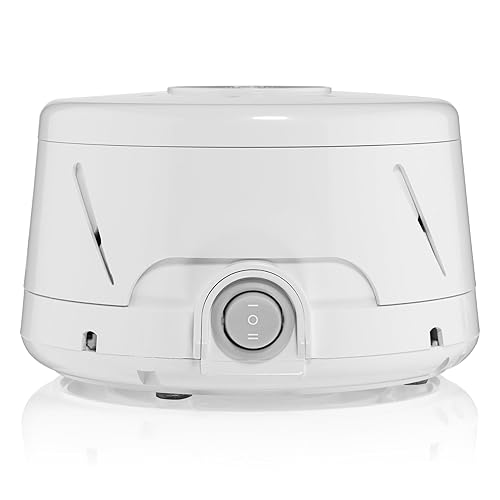
Marpac Dohm White Noise Machine
The Marpac Dohm is the original fan-based white noise machine, producing natural, non-looping sound through a real internal fan mechanism. Trusted by sleep clinics and parents for over 60 years, it delivers authentic white noise without the digital artifacts of speaker-based machines.
- Real fan-based sound — no digital loops or repeating patterns
- Simple two-speed mechanical design with no screens or apps
- Compact, durable build that lasts for years
- Natural sound profile that many babies and adults prefer
- No additional sounds beyond white noise variations
- No app control or smart features
- Must be plugged in — no battery option
In an age of smart devices and app-controlled everything, the Marpac Dohm takes the opposite approach — and many families prefer it exactly for that reason. Instead of playing a digital recording of white noise through a speaker, the Dohm generates sound mechanically using a real internal fan housed inside an adjustable acoustic housing. The result is a natural, continuous sound with no loops, no digital artifacts, and no sudden changes that might wake a sleeping baby. Twist the outer housing to adjust tone and volume, and that's it — there are no settings to configure, no Wi-Fi to connect, and no app updates to install.
The Dohm has been a staple in sleep clinics, therapist offices, and nurseries for over 60 years, and its longevity speaks to its effectiveness. The fan-based sound is particularly good at masking intermittent household noises — the toddler playing in the next room, a doorbell, a barking dog — because the broadband frequencies fill in the acoustic gaps that let sharp sounds punch through. Pediatric sleep consultants often recommend the Dohm specifically because its sound profile closely mirrors what babies heard in the womb, creating a familiar and calming auditory environment.
The trade-off for simplicity is fewer features: you won't get a night light, toddler clock, or app control. If you want a straightforward, reliable machine that does one thing exceptionally well and will still be working perfectly a decade from now, the Dohm is unbeatable. It's also an excellent option for parents who want to avoid screens and smart devices in the nursery entirely.
Who it's best for: Parents who prefer a simple, screen-free approach to white noise and want a durable, no-fuss machine with natural fan-based sound rather than digital recordings.
6. Love to Dream Swaddle Up — Best for Self-Soothers
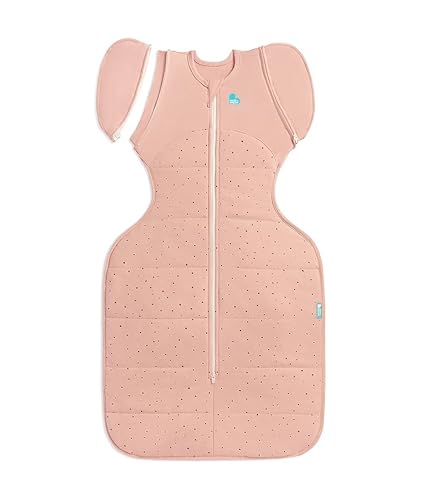
Love to Dream Swaddle Up
The Love to Dream Swaddle Up is uniquely designed with an arms-up position that allows babies to self-soothe by touching their face and sucking their hands while still enjoying the security of a swaddle. Its patented wing design calms the startle reflex without restricting natural hand access.
- Arms-up design lets babies self-soothe by touching their face
- Dual zipper for easy diaper changes
- Snug fit calms the Moro reflex effectively
- Transition version available with removable wings
- Arms-up position doesn't suit every baby's preference
- Runs warm — may need lighter clothing underneath
- Limited fabric variety compared to some competitors
Traditional swaddles wrap a baby's arms snugly against their body, and for many newborns this works perfectly. But some babies are determined hand-suckers and face-touchers from day one — and forcing their arms down creates frustration rather than calm. The Love to Dream Swaddle Up solves this brilliantly with its patented arms-up design: the baby's arms are gently enclosed in wing-shaped pouches that point upward, allowing access to their face and hands while still providing the snug, womb-like pressure that dampens the startle (Moro) reflex.
This design makes the Swaddle Up one of the most effective baby sleep aid products for self-soothers — babies who naturally calm themselves by sucking their fingers or resting their hands near their face. The single-piece design also eliminates the blanket-unwrapping problem that plagues traditional swaddles: there's nothing to come loose in the crib, which aligns perfectly with AAP guidelines for a bare sleep surface. The dual zipper runs from bottom to top for easy diaper access, and the stretch fabric provides a comfortably snug fit without being restrictive.
Love to Dream also offers a transitional version (the Swaddle Up 50/50) with removable wing portions that zip off one at a time. This is invaluable when your baby starts showing signs of rolling and needs to transition out of the swaddle — you can remove one wing for a few nights, then the other, rather than going cold turkey. The original Swaddle Up comes in lightweight (0.2 TOG), standard (1.0 TOG), and warm (2.5 TOG) versions to suit different room temperatures and seasons.
Who it's best for: Babies who resist traditional arms-down swaddling and naturally self-soothe by sucking their hands or touching their face during sleep.
7. Nested Bean Zen Sack — Best Weighted
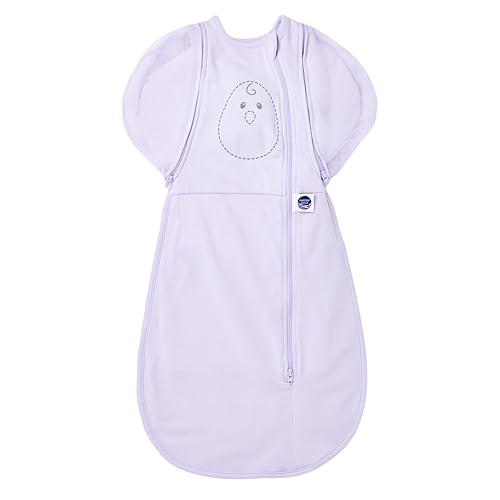
Nested Bean Zen Sack
The Nested Bean Zen Sack features a lightly weighted pad on the chest that mimics the gentle pressure of a parent's hand, helping babies feel secure and settle more easily. The weight is designed to be safe for independent sleep while providing the calming sensation of touch.
- Gently weighted chest pad mimics a parent's comforting touch
- 100% cotton construction is breathable and machine washable
- Helps ease the transition from being held to sleeping independently
- Available in multiple TOG ratings for year-round use
- Weight may shift during active sleep
- Higher price point than basic sleep sacks
- Some babies may not respond to the weighted sensation
- Not recommended for premature or very small infants
Every parent knows the frustration: your baby falls asleep in your arms, warm and content against your chest, but the moment you lay them in the crib they startle awake. The Nested Bean Zen Sack addresses this specific problem with a cleverly placed weighted pad on the chest area that mimics the gentle pressure of a parent's resting hand. The weight is deliberately light — just enough to provide a calming proprioceptive sensation without posing any safety risk for independent sleep. It's one of the most innovative products to help baby sleep through that difficult transition from arms to crib.
The Zen Sack is constructed from 100% cotton with a breathable design, and the weighted insert is securely stitched in place so it won't shift or bunch during sleep. It's available in Classic (1.0 TOG) and Winter (2.5 TOG) versions, and the sizing runs from 0 to 6 months and 6 to 15 months. The concept is grounded in the research behind gentle pressure therapy, which has been shown to reduce anxiety and promote relaxation in both children and adults. While not every baby responds to the weighted sensation, parents who find it works for their child tend to become devoted advocates.
An important safety note: the Nested Bean Zen Sack has been independently tested and meets all CPSC safety standards for infant sleepwear. The weight is distributed across a broad surface area rather than concentrated in one spot, and it's designed to be safe for back sleeping. However, as with any specialized sleep product, it's worth discussing with your pediatrician if your baby was premature or has any underlying health conditions. For families exploring safe alternatives to the popular but recalled weighted sleep products of recent years, the Zen Sack's intentionally minimal weight and safety testing set it apart.
Who it's best for: Babies who struggle with the transition from being held to sleeping independently and respond well to gentle pressure or touch-based soothing.
How to Choose Baby Sleep Products — Buyer's Guide
With so many baby sleep products on the market, it's easy to feel overwhelmed. This buyer's guide breaks down the most important factors to consider when choosing safe, effective sleep products for your baby.
Understanding AAP Safe Sleep Guidelines
The American Academy of Pediatrics updated their safe sleep recommendations in 2022, and every product in this guide aligns with those standards. The key principles: babies should always sleep on their backs on a firm, flat surface with no loose bedding, pillows, bumpers, stuffed animals, or positioners. Wearable blankets and sleep sacks are the AAP-recommended alternative to loose blankets because they keep baby warm without the suffocation risk. When choosing baby safe sleep products, look for items that maintain a clear, bare sleep surface and allow your baby to breathe freely from every position.
TOG Ratings Explained
TOG (Thermal Overall Grade) measures the thermal resistance of a fabric — in plain terms, how warm a sleep sack will keep your baby. Understanding TOG ratings is essential for preventing overheating, which is a known SIDS risk factor. Here's a general guide:
- 0.2–0.5 TOG: Lightweight, suitable for warm rooms above 75 degrees Fahrenheit or summer months. Baby can wear just a diaper underneath.
- 1.0 TOG: Standard weight, ideal for room temperatures between 68 and 73 degrees. Most commonly used year-round in climate-controlled homes. Baby can wear a light onesie underneath.
- 2.5 TOG: Warm weight, designed for cooler rooms between 61 and 68 degrees or cold winter months. Baby typically wears a long-sleeve onesie or light pajamas underneath.
Always monitor your baby for signs of overheating: sweating at the back of the neck, flushed cheeks, damp hair, or rapid breathing. The nursery temperature should ideally stay between 68 and 72 degrees Fahrenheit for safe sleep.
Swaddle vs. Sleep Sack: When to Transition
Swaddling is effective for newborns because it suppresses the Moro (startle) reflex that causes babies to jolt awake. However, the AAP recommends transitioning out of swaddling as soon as your baby shows signs of attempting to roll — which can happen as early as 8 weeks, though 12 to 16 weeks is more typical. Signs include increased arm strength during tummy time, rolling from back to side, and resistance to having arms wrapped. Transitional products like the Halo SleepSack's one-arm-out option or the Love to Dream 50/50 make this shift easier. Once your baby is rolling, switch to an arms-free sleep sack for safe, independent sleep.
Sound Machines: Volume and Placement Safety
Research from the AAP recommends placing sound machines at least 7 feet away from your baby's crib and keeping the volume below 50 decibels — roughly the level of a quiet conversation. Running a sound machine too loudly or too close to the crib can potentially affect hearing development. Use the lowest volume that effectively masks household noise, and consider using a decibel meter app on your phone to check levels at the crib. Many parents find that continuous sound (white noise, pink noise, or fan sounds) works better than intermittent sounds like lullabies, because the steady pattern helps babies stay in deeper sleep.
What to Avoid
Several categories of baby sleep products have been flagged by safety organizations and should be avoided regardless of marketing claims. Crib bumpers, including mesh versions, are not recommended by the AAP. Inclined sleepers (like the recalled Rock 'n Play) pose suffocation risks. Weighted blankets designed for adults are never safe for infants. Sleep positioners and anti-roll devices have also been associated with suffocation. Always check the CPSC recall database before purchasing any baby sleep product, especially secondhand items. For more on keeping your nursery safe, see our guides on baby safety essentials and newborn essentials every family needs.
Frequently Asked Questions
Our Testing Methodology
At YourHappyBaby.com, we take our sleep product recommendations seriously because safe sleep is not an area where guesswork is acceptable. Our evaluation process for the best baby sleep products includes: reviewing current safety certifications and checking the CPSC recall database for each product, analyzing verified parent reviews across multiple retailers (not just Amazon), consulting published pediatric sleep research and AAP guidelines, evaluating fabric quality and construction details including TOG ratings and certifications like GOTS and OEKO-TEX, and assessing real-world usability factors like ease of diaper changes, washing durability, and transition options. We evaluated over 25 sleep products across the categories of swaddles, wearable blankets, and sound machines to narrow our selections to these seven recommendations. Our editorial picks are independent — we do not accept payment for product placement.
Final Verdict
Getting your baby to sleep safely and soundly is one of the most important — and most challenging — parts of early parenthood. The right baby sleep products won't magically solve every sleep struggle, but they create the conditions where better sleep becomes possible for everyone in the household.
For most families, we recommend the Halo SleepSack Swaddle as the best starting point. Its hospital-trusted design, versatile 3-in-1 functionality, and excellent price point make it the easiest recommendation on this list. Pair it with the Yogasleep Hushh 2 Portable Sound Machine for a complete sleep environment that will serve your family for years. If budget allows, the Kyte Baby Sleep Bag is a luxury upgrade worth every penny for its exceptional bamboo fabric. And for families watching their spending, the Burt's Bees Beekeeper Wearable Blanket proves that certified organic quality doesn't have to come with a premium price tag.
Whatever products you choose, remember that the foundation of safe baby sleep is always the same: a firm, flat mattress, a bare crib, and a baby placed on their back. The best baby sleep products enhance that foundation — they never replace it. For more recommendations on setting up a safe nursery, explore our guides on baby safety products and newborn essentials. Wishing you and your little one many restful nights ahead.
<!-- /wp:freeform
Baby Sleep Products for Baby Showers and Registries
Sleep products are some of the most-appreciated baby shower gifts because they are practical, used daily, and often skipped by first-time parents who don't yet know what they need. If you are building a registry or shopping for a shower, the sleep category is where a thoughtful gift makes a real difference in those exhausting early months.
The best baby shower sleep products to put on a registry, or give as a gift, are the ones parents reach for every single night: a quality wearable blanket or sleep sack (the Halo SleepSack and Kyte Baby Sleep Bag above are both excellent registry picks), a portable white noise machine for travel and nursery use, and a swaddle for the newborn weeks. Babies outgrow sizes quickly, so multiples and larger sizes are genuinely useful.
When choosing sleep products as baby shower gifts, a few guidelines help. Pick the 3-6 month or 6-12 month size rather than newborn, since parents are usually flooded with newborn-size items and run short later. Choose a 1.0 TOG weight, which suits most year-round nursery temperatures. And favor AAP-aligned, breathable designs over anything weighted, because the AAP advised against weighted infant sleepwear in 2022. A sound machine like the Yogasleep Hushh 2 is a safe, universally useful registry addition that works from the newborn stage through toddlerhood.
For a complete registry, pair a sleep product with items from our must-have baby products checklist. Sleep gear, feeding supplies, and a safe sleep surface together cover what any new parent will use from day one.
Frequently asked questions (continued)
The AAP's 2022 safe sleep guidelines: firm flat surface (crib, bassinet, or play yard), bare (no loose blankets, bumpers, or toys), back sleep position, in the parents' room (not parents' bed) for at least 6 months, sleep sack instead of blankets, room temperature 68-72°F, breastfeeding when possible, and pacifier at sleep time. This combination reduces SIDS risk by over 75%.