What changed in this May 2026 update: We re-validated every brand against current B-Corp, USDA Organic, and Made Safe certifications, plus the latest EWG Skin Deep data. Verified zero CPSC recalls. Refreshed price ranges to current Amazon and direct-to-consumer listings. Next scheduled review: August 2026.
Affiliate Disclosure: As an Amazon Associate, we earn from qualifying purchases. This comes at no extra cost to you.
Last updated: April 2026 | Reviewed by the YourHappyBaby editorial team
Eco-conscious and "organic" baby products are related but distinct categories. Organic focuses on what's in the product — ingredient sourcing and certification. Eco-conscious focuses on the product's environmental lifecycle: its packaging, whether its materials are renewable or petroleum-derived, whether it can be composted or recycled at end of life, and whether the brand operates with genuine environmental accountability (B-Corp certification, carbon offsets, living wages in supply chain).
This guide focuses on the environmental dimension. We've prioritized products where the eco substitution makes a measurable difference — starting with the highest-impact categories (disposable diapers, single-use wipes) and working through the full baby product range. We've also noted where "eco" labels are marketing rather than meaningful environmental improvements.
Where the Environmental Impact Actually Is
Before buying any eco baby product, it helps to understand where the environmental burden actually sits in a baby's first year. Rough lifecycle estimates:
- Diapers: 6,000–8,000 disposable diapers per baby, totaling approximately 1 ton of landfill waste over 2.5 years. The single largest environmental impact in baby care by a wide margin.
- Wipes: Most conventional wipes contain plastic fibers and are not compostable. A family using wipes heavily may use 2,000–4,000 wipes per year.
- Clothing: Baby clothing is frequently short-use (worn weeks before outgrown). Conventional cotton uses significant pesticide and water inputs; organic cotton and secondhand reduce this substantially.
- Skincare packaging: Meaningful but secondary to the above. Opting for larger sizes, concentrated formulas, or refillable packaging reduces packaging waste.
The priority order for environmental impact: diapers first, wipes second, clothing third, skincare packaging fourth.
Quick Comparison Table
| Product | Category | Eco Credential | Impact Level | Price Range |
|---|---|---|---|---|
| Bambo Nature Diapers | Disposable Diapers | Nordic Ecolabel, FSC | 🌱🌱🌱🌱🌱 Highest | $$$ |
| Charlie Banana Cloth Diapers | Reusable Diapers | Reusable, OEKO-TEX | 🌱🌱🌱🌱🌱 Highest | $$$$ |
| Green Sprouts Muslin Washcloths | Reusable Wipes | GOTS Organic Cotton | 🌱🌱🌱🌱 High | $$ |
| Burt's Bees Baby Organic Bodysuit | Clothing | GOTS Certified Organic Cotton | 🌱🌱🌱 Medium-High | $$ |
| HEVEA Natural Rubber Pacifier | Pacifier | FSC Natural Rubber | 🌱🌱🌱 Medium | $$ |
| Puracy Natural Baby Laundry Detergent | Laundry | Plant-derived, biodegradable | 🌱🌱 Medium | $$ |
| bumGenius Freetime Cloth Diaper | Reusable Diapers | Reusable, OEKO-TEX | 🌱🌱🌱🌱🌱 Highest | $$$$ |
| Bamboo Organic Baby Towel | Bath | OEKO-TEX Bamboo | 🌱🌱 Low-Medium | $$ |
Our Top 8 Eco-Conscious Baby Products in 2026
1. Bambo Nature Baby Diapers — Best Eco Disposable Diaper
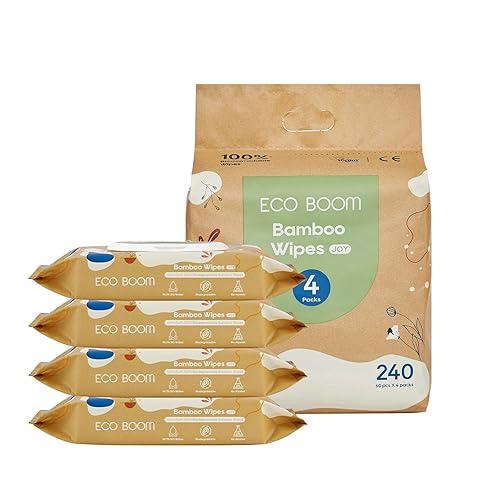
Bambo Nature Baby Diapers
Bambo Nature diapers hold the Nordic Ecolabel — one of the most rigorous environmental product certifications in Europe — and are certified by the Asthma Allergy Nordic organization for use on sensitive skin. They use sustainably sourced fluff pulp (FSC certified), chlorine-free processing, no fragrances, no lotions, no TBT. The diaper core uses a plant-based SAP (super absorbent polymer) that is more biodegradable than conventional SAP. Bambo is a Danish brand with a 35-year track record in eco diaper development. The diapers are partially biodegradable — the outer cover and core materials break down more readily in industrial composting conditions than conventional diapers, though they are not home-compostable.
- Nordic Ecolabel — among the most rigorous eco product certifications globally
- FSC certified sustainably sourced materials
- Chlorine-free, fragrance-free, lotion-free
- Asthma Allergy Nordic certified for sensitive skin
- Plant-based SAP more biodegradable than conventional in industrial composting
- 35-year brand track record in eco diaper development
- More expensive per diaper than conventional brands
- Not home-compostable — requires industrial composting facilities for maximum environmental benefit (which most families cannot access)
- Nordic Ecolabel is a European standard with less US consumer recognition than domestic certifications
The lifecycle gap between Bambo Nature and conventional diapers is real but requires context. No disposable diaper is truly compostable in standard landfill conditions — the conditions in a sealed landfill prevent the aerobic decomposition required. Bambo's environmental advantage is in production (lower chemical inputs, sustainable forestry for fluff pulp, no petroleum-derived fragrance systems) and in how the materials perform in industrial composting facilities, which are available in some municipalities. For families who cannot access industrial composting, the primary Bambo advantage remains in the production-side environmental footprint and the absence of potentially irritating ingredients.
Pros
- Most rigorously certified eco disposable diaper available
- Clean materials, no harsh chemicals
- 35-year track record from Danish eco diaper pioneers
Cons
- Higher cost than conventional
- Full composting benefit requires industrial facility access
- Not home-compostable
2. Charlie Banana Reusable Cloth Diapers — Best for Cloth Diapering Beginners
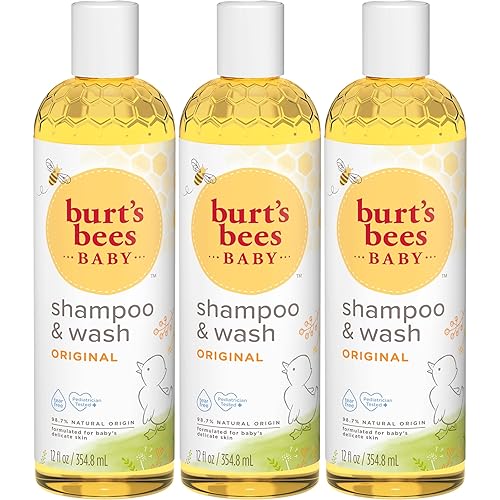
Charlie Banana Reusable Washable Cloth Diaper
Charlie Banana cloth diapers use a one-size adjustable system with snap closures that fit babies from approximately 8 to 35 lbs — birth to toilet training in a single diaper size. The outer PUL (polyurethane laminate) shell is waterproof; the inner layer uses a soft fleece or microfiber insert. The snap-in insert system allows inserts to be removed for washing and line-dried separately. OEKO-TEX Standard 100 certified — free from harmful substances. Charlie Banana's one-size design is particularly beginner-friendly because it eliminates the need to buy different diaper sizes as baby grows. The upfront cost (typically $20–$25 per diaper, needing 20–24 for a full rotation) is high but generates zero ongoing diaper purchase costs.
- One-size fits 8–35 lbs — no size purchases as baby grows
- Eliminates 6,000–8,000 disposable diapers per baby
- OEKO-TEX Standard 100 certified
- Snap closure system is more durable than hook-and-loop
- Snap-in inserts wash and dry easily
- Beginner-friendly design
- $450–$600 upfront investment for a full rotation (20–24 diapers) — high initial cost
- Requires laundry routine every 2–3 days
- Bulkier than disposables — affects fit of clothing
- Not suitable for all caregiving situations (daycare may not accept cloth diapers)
- Initial learning curve for correct fit and leak prevention
The environmental math on cloth diapers is strongly favorable over a full diapering period. A typical family using disposables generates approximately 1 ton of landfill waste over 2.5 years. A full rotation of Charlie Banana diapers washed at home generates no additional landfill waste and uses water and detergent — a dramatically smaller environmental footprint even accounting for laundering. The upfront cost of $500–$600 is recovered within 6–9 months compared to the ongoing cost of disposable diapers, making cloth diapers an environmental and financial win for families who commit to the routine.
Pros
- Eliminates 1 ton of landfill diaper waste per child
- One-size design eliminates size purchases
- Financial payback within 6–9 months
- OEKO-TEX certified materials
Cons
- $500+ upfront investment
- Requires regular laundry routine
- Daycare compatibility varies
- Bulkier than disposables
3. Green Sprouts Muslin Washcloths — Best Reusable Wipe Alternative
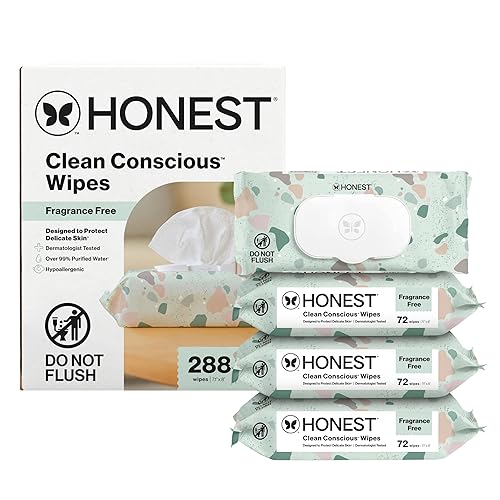
Green Sprouts Stay-Dry Muslin Washcloths
Green Sprouts Muslin Washcloths are GOTS (Global Organic Textile Standard) certified organic cotton muslin — the same material as premium muslin swaddles, but in washcloth format. Used with warm water, they replace disposable wipes for diaper changes and face cleaning. The muslin weave softens with washing and provides gentle exfoliation without scratching. GOTS certification covers the entire production chain from farm to finished product — the strongest organic textile standard available. Sold in 10-packs. Machine washable, durable across hundreds of wash cycles.
- GOTS certified organic cotton — strongest organic textile standard
- Reusable across hundreds of wash cycles — minimal ongoing cost
- Softer than most disposable wipes
- Better for sensitive skin than commercial wipes for many babies
- Zero ongoing packaging waste
- Muslin softens with washing — improves over time
- Requires a wet bag or small container of warm water at the changing table for effective use
- More preparation than grab-and-use disposable wipes
- Not practical for all diaper change locations (car, travel without access to warm water)
- Requires regular washing alongside cloth diapers or as a separate load
Reusable washcloths combined with a small spray bottle of warm water (or a dedicated wipe warmer) replicate the function of disposable wipes without the ongoing plastic and chemical exposure. Many families use reusable washcloths at home and keep a pack of clean disposable wipes for travel and outings — a hybrid approach that captures most of the environmental benefit without the inconvenience of reusable wipes in every situation.
Pros
- GOTS certified organic cotton
- Hundreds of wash cycles — near-zero ongoing cost
- Softer than most disposable wipes
- Eliminate ongoing wipe packaging waste
Cons
- Require warm water at changing station
- Less convenient for travel and outings
4. Burt's Bees Baby GOTS Certified Organic Bodysuit — Best Eco Baby Clothing
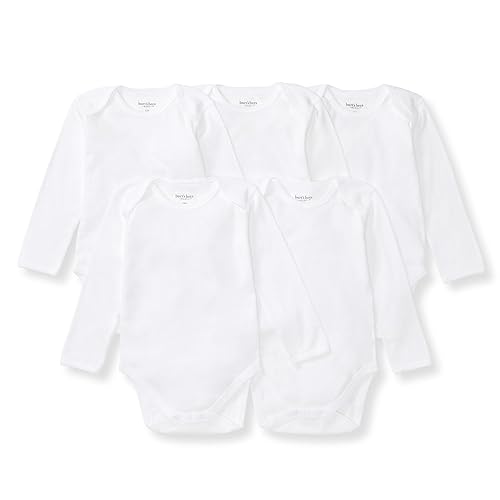
Burt's Bees Baby Beekeeper Wearable Blanket, Organic Cotton
Burt's Bees Baby uses GOTS (Global Organic Textile Standard) certified organic cotton across its clothing line — the strongest organic textile certification, covering agricultural practices (no synthetic pesticides or fertilizers), processing (no harmful dyes or finishes), and labor standards throughout the supply chain. The organic cotton is soft against newborn skin and is free from the chemical finishing treatments applied to conventional cotton clothing. The Beekeeper Wearable Blanket version doubles as a sleep sack. Burt's Bees Baby is one of the few baby clothing brands with GOTS certification available at mainstream retail pricing.
- GOTS certified organic cotton — covers farming through finished product
- No synthetic pesticide residues on fabric against baby skin
- Soft, fine weave appropriate for newborn skin
- Available at mainstream retail prices — not premium boutique pricing
- GOTS covers labor standards as well as environmental ones
- Wearable blanket doubles as a sleep sack
- Organic cotton clothing is more expensive than conventional fast-fashion baby clothing
- Baby clothing is short-use regardless of material — eco benefit is in what goes into landfill, not longevity
- GOTS certified products can shrink more than conventional cotton — size up and wash cold
Baby clothing has an environmental consideration that is easy to overlook: the combination of short use periods (weeks before outgrown) and fast-fashion pricing incentivizes disposability. Organic cotton from a GOTS-certified brand like Burt's Bees Baby at least ensures that the material going through that disposable cycle has a cleaner production footprint. The most environmentally impactful clothing choice, however, is secondhand — buying thrifted or using hand-me-downs eliminates the production footprint entirely.
Pros
- GOTS certified organic cotton at mainstream retail pricing
- No synthetic pesticide or chemical finishing residues
- Labor standards covered by GOTS certification
Cons
- More expensive than conventional cotton
- Secondhand is more eco than any new organic item
- Wash cold to minimize shrinkage
5. HEVEA Natural Rubber Pacifier — Best Eco Pacifier
HEVEA Natural Rubber Baby Pacifier
HEVEA pacifiers are made from 100% natural rubber sourced from FSC-certified rubber trees — a renewable, biodegradable alternative to petroleum-based silicone. Natural rubber pacifiers are one piece (no joint between nipple and shield) rather than the multi-part assembly of conventional pacifiers, eliminating the trapped-moisture concern between parts. HEVEA rubber is free from BPA, BPS, PVC, phthalates, and synthetic latex allergens. The natural brown color of the rubber is undyed — no synthetic colorants. HEVEA is a Danish brand committed to the natural rubber supply chain. Natural rubber pacifiers biodegrade at end of life; silicone pacifiers do not.
- 100% natural rubber — renewable and biodegradable unlike silicone
- FSC-certified rubber tree sourcing
- One-piece construction — no joint for trapped moisture
- Free from BPA, phthalates, PVC
- No synthetic colorants — natural rubber color
- Biodegradable at end of product life
- Natural rubber has a faint natural latex scent that some babies resist initially
- Natural rubber requires replacement more frequently than silicone — every 4–6 weeks with regular use
- Not appropriate for babies with confirmed latex allergy
- More expensive than conventional silicone pacifiers
- Color is natural brown — not available in conventional colors
The pacifier category is one where the eco substitution is genuinely meaningful at the product level. Conventional silicone pacifiers are petroleum-derived and non-biodegradable. HEVEA's natural rubber alternative comes from a renewable source, is one piece (simpler, cleaner), and biodegrades after use. The replacement frequency (every 4–6 weeks vs. 2–3 months for silicone) adds ongoing cost, but for families committed to reducing petroleum-derived plastics in direct baby contact items, HEVEA is the right choice.
Pros
- Natural rubber is renewable and biodegradable — unlike silicone
- FSC certified sourcing
- One-piece construction
- No petroleum derivatives
Cons
- Natural rubber scent initially
- More frequent replacement than silicone
- Not for latex allergy
- Natural brown color only
6. Puracy Natural Baby Laundry Detergent — Best Eco Baby Detergent
Puracy Natural Baby Laundry Detergent
- Higher per-load cost than conventional detergents
- Enzyme-based cleaning is less effective on grease stains than petroleum surfactant formulas
- Some cloth diaper washing routines require specific detergents — verify compatibility with your diaper brand
Laundry detergent is a product where the eco substitution is both meaningful and underappreciated. Conventional detergents contain optical brighteners — synthetic fluorescent compounds that coat fabric and make it appear whiter under UV light. These compounds accumulate on fabric with repeated washing and transfer to skin on contact. For babies who wear freshly laundered clothing against their skin 24 hours a day, the optical brightener exposure is continuous. Puracy's enzyme-based, brightener-free formula eliminates this exposure while providing effective cleaning through plant-derived enzymes.
Pros
- EWG Verified, plant-derived, biodegradable
- No optical brighteners — no UV-coating on baby clothes
- Fragrance-free
- 96 loads concentrated — low packaging waste per wash
Cons
- Higher per-load cost than conventional
- Less effective on grease stains
- Verify cloth diaper compatibility
7. bumGenius Freetime All-in-One Cloth Diaper — Best Premium Cloth Diaper
bumGenius Freetime All-in-One Cloth Diaper
bumGenius Freetime is an all-in-one (AIO) cloth diaper — the inner absorbent layers are sewn into the outer waterproof shell, eliminating the need to stuff inserts. At diaper change, you remove the whole diaper and put on a fresh one (like a disposable), without needing to reassemble an insert system. The Freetime version has two folding inner panels rather than a single insert, allowing faster drying than earlier AIO designs. OEKO-TEX certified materials. Adjustable snaps fit approximately 8–35 lbs. bumGenius is a Gold standard cloth diaper brand — the brand that mainstream cloth diapering families reference most frequently.
- All-in-one design — no insert stuffing, use like a disposable
- Folding inner panels dry faster than traditional AIO designs
- OEKO-TEX certified materials
- Adjustable snaps 8–35 lbs — one size through toilet training
- bumGenius brand reliability — the market reference standard
- Eliminates 6,000–8,000 disposable diapers per baby
- More expensive per unit than pocket diapers when purchasing a full rotation
- AIO design takes longer to dry than pocket diapers with separate inserts
- Higher upfront investment for full rotation (20–24 diapers needed)
- Not suitable for all caregiving settings
bumGenius Freetime is the cloth diaper recommendation for families who want the environmental benefit of cloth diapers but have previously been put off by the complexity of pocket diapers and insert systems. The all-in-one design removes the stuffing step entirely — you use it, you wash it, you put it back on. The tradeoff is slower drying than pocket diapers, which bumGenius addresses in the Freetime version with the two-panel folding insert design.
Pros
- Simplest cloth diaper system — no insert stuffing
- Market reference brand for cloth diapering quality
- OEKO-TEX certified
- Eliminates disposable diaper waste entirely
Cons
- More expensive per unit than pocket diapers
- Slower drying than separate-insert designs
- High upfront investment for full rotation
8. Organic Bamboo Baby Towel — Best Eco Bath Accessory
Premium Organic Bamboo Baby Hooded Towel
OEKO-TEX certified bamboo terry towel with a hooded design for keeping baby warm after bath. Bamboo fabric has natural antimicrobial properties, dries faster than cotton, and comes from a rapidly renewable grass crop that requires no pesticides and minimal water compared to conventional cotton. OEKO-TEX Standard 100 certification ensures the finished fabric is free from harmful substances. The hooded design covers baby's head immediately post-bath, preventing the rapid heat loss that occurs when a wet head is exposed to air. Bamboo softens with washing.
- Bamboo is rapidly renewable — grows without pesticides or irrigation
- OEKO-TEX certified — free from harmful substances
- Natural antimicrobial properties
- Dries faster than cotton
- Softens with washing — improves over time
- Hooded design keeps head warm post-bath
- Bamboo fabric production involves chemical processing (viscose rayon process) — the environmental benefit is in the crop, not necessarily the full processing chain
- OEKO-TEX certifies the finished fabric is safe, not that processing is fully sustainable
- Some bamboo claims are greenwashed — look for OEKO-TEX certification specifically
The bamboo crop itself is genuinely sustainable — it grows without pesticides, sequesters carbon effectively, and requires minimal water. The processing of bamboo fiber into soft fabric (the viscose/rayon process) does involve chemicals, which is why OEKO-TEX certification of the finished fabric is meaningful: it confirms the chemical processing residues are within safe limits for skin contact, even if the processing itself is not chemical-free.
Pros
- Bamboo crop is genuinely sustainable
- OEKO-TEX certified finished fabric
- Natural antimicrobial, quick-drying
- Softens with use
Cons
- Processing uses chemicals — OEKO-TEX certifies the product is safe but processing is not zero-impact
- Some bamboo claims are unsubstantiated — verify OEKO-TEX specifically
Eco Baby Products: Impact Priority Guide
Start Here — Highest Environmental Impact
- ✅ Switch to cloth diapers (Charlie Banana or bumGenius) — eliminates 1 ton of landfill waste per child
- ✅ Or upgrade to eco disposables (Bambo Nature) if cloth is not practical — reduces production-side environmental inputs
- ✅ Switch to reusable wipes (Green Sprouts muslin) — eliminates thousands of plastic-containing wipes per year
Second Priority — Meaningful Impact
- ✅ Switch to organic cotton baby clothing (Burt's Bees Baby GOTS) or buy secondhand (highest eco option)
- ✅ Switch to plant-derived laundry detergent (Puracy) — eliminates optical brighteners and petroleum surfactants from daily skin contact
Third Priority — Real but Smaller Impact
- ✅ Natural rubber pacifier (HEVEA) over silicone
- ✅ Bamboo bath accessories over conventional cotton
- ✅ Choose larger product sizes and concentrates to reduce packaging volume
Lower Impact (But Worth Doing)
- Eco-certified skincare products (already covered in our natural baby products guide)
- Cardboard packaging over plastic packaging
- Brands with B-Corp certification or verified carbon offset programs
Frequently Asked Questions
Final Verdict
The highest-impact eco decision for a new parent is the diaper choice. bumGenius Freetime and Charlie Banana cloth diapers eliminate the largest single source of baby waste entirely; Bambo Nature is the best eco disposable for families where cloth is not practical. After diapers, switching to reusable Green Sprouts muslin washcloths eliminates thousands of plastic-containing wipes per year. Puracy laundry detergent, HEVEA pacifiers, and GOTS-certified Burt's Bees Baby clothing complete a meaningful eco rotation that replaces the highest-volume, highest-impact conventional products in a baby's first year.
Frequently asked questions (continued)
Switching from disposable to reusable diapers cuts roughly 4,000 disposables (about 600 lbs of landfill waste) from your first 2 years. That's the single biggest swap by volume. Other high-impact swaps: cloth wipes ($25 starter kit replaces ~6,000 wipes), glass bottles (replace plastic), and secondhand clothing (cuts new-clothing carbon footprint by 80%).