Microplastic exposure starts before birth - 2024 research from the Hospital del Mar Research Institute found microplastics in newborn meconium (the first stool) of 79% of babies tested. Reducing plastic contact in the first months of life is one of the most evidence-backed interventions to reduce lifetime microplastic accumulation. The science here is genuinely meaningful, not greenwashing.
This guide identifies products that are 100% plastic-free or use only food-grade silicone (which is not technically plastic and doesn't shed microplastics). Every product carries verified sustainability certifications: GOTS, GREENGUARD Gold, FSC, USDA Organic, or EWG Verified.
Why plastic-free matters for newborns specifically
Newborn skin and digestive tracts are 30-50% more permeable than adult skin, which means absorbed microplastics and plasticizers (BPA, BPS, phthalates) enter the bloodstream more readily. Newborns also breathe at 2-3x the rate of adults relative to body weight, increasing inhalation exposure to airborne microplastics.
The American Academy of Pediatrics' 2018 Food Additives Statement explicitly recommends avoiding plastics #3 (PVC), #6 (PS), and #7 (other) in feeding equipment for infants. The plastic-free approach goes further by avoiding all single-use plastics during the most vulnerable developmental window.
Our top 8 plastic-free baby products for 2026
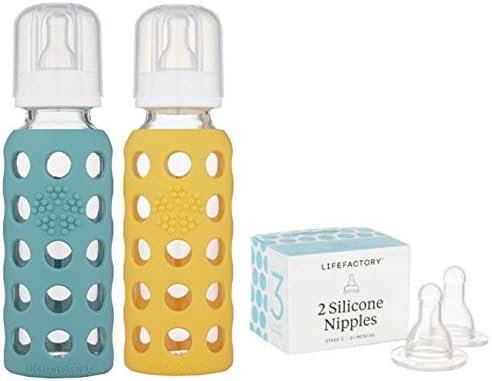
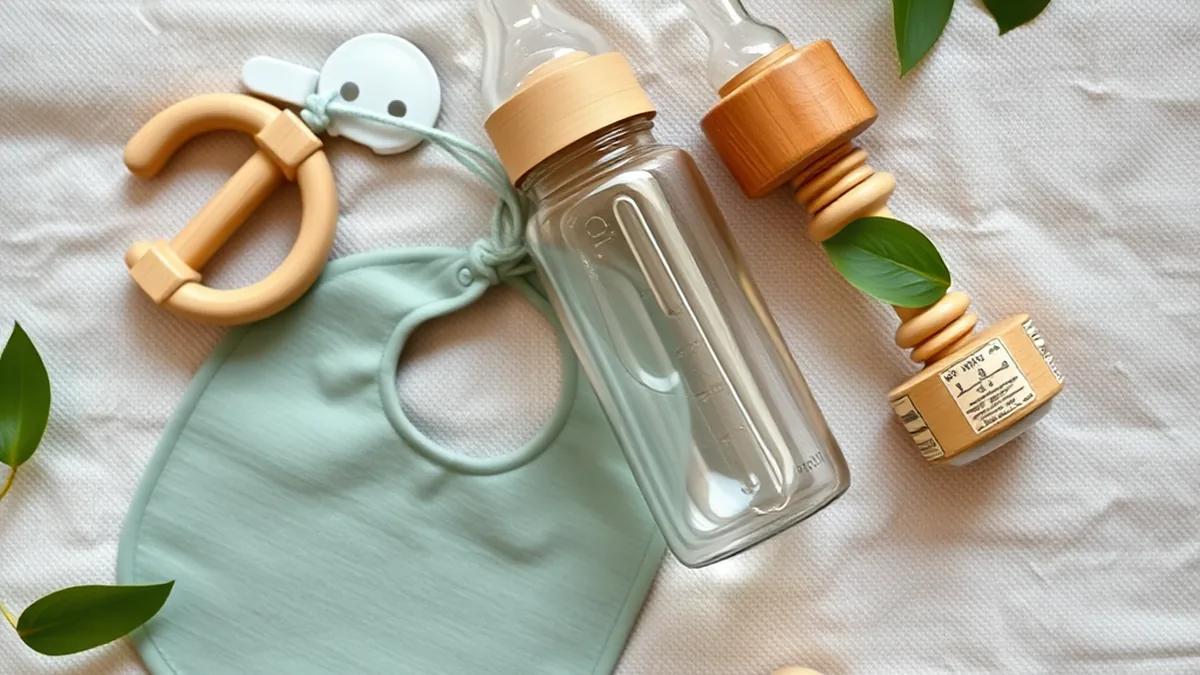
Lifefactory Glass Baby Bottle 9 oz
Borosilicate glass bottle with medical-grade silicone sleeve and silicone nipple. Truly plastic-free in the food-contact zone. Lead-free, BPA-free, made in California. The most-recommended glass bottle in pediatric dentistry surveys.
- Borosilicate glass
- Silicone sleeve protects from breakage
- Made in California
- Heavier than plastic
- Higher cost
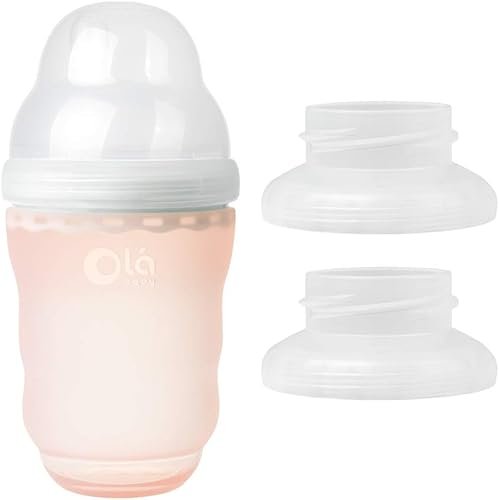
Olababy 100% Silicone Baby Bottle
Medical-grade silicone bottle (not plastic - doesn't shed microplastics). Soft, breast-like nipple shape. Microwave, dishwasher, and boiling-water safe. Patented anti-colic vent. Made in the USA.
- Medical-grade silicone
- Made in USA
- Microwave-safe
- Cleaning the vent takes practice
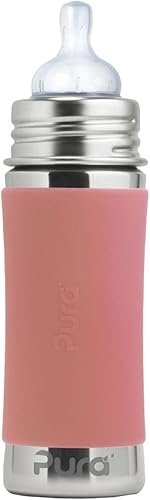
Pura Kiki Stainless Steel Insulated Baby Bottle
18/8 food-grade stainless steel bottle with medical-grade silicone nipple and sleeve. Insulated to maintain temperature for 12-24 hours. Compostable plastic-free seal ring. The original 100% plastic-free baby bottle since 2009.
- 100% stainless steel + silicone
- Insulated
- Plastic-free since 2009
- Heavier than alternatives
- Premium price
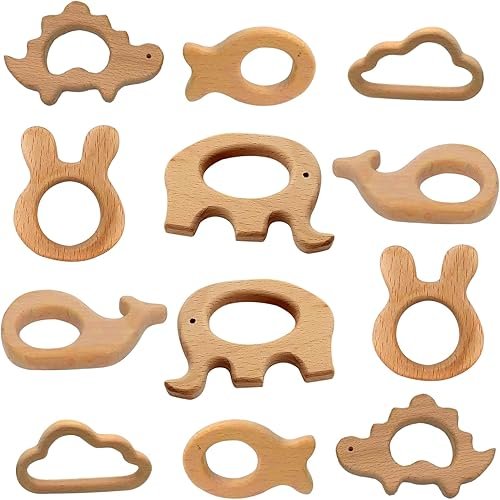
Plan Toys Wooden Teether Set
Three FSC-certified solid hardwood teethers. Water-based, food-safe finishes. Plant-based inks. Made in Thailand by Plan Toys (the most-trusted sustainable toy brand globally). Plastic-free packaging too.
- FSC certified
- Water-based finishes
- Plastic-free packaging
- Wood requires occasional oiling
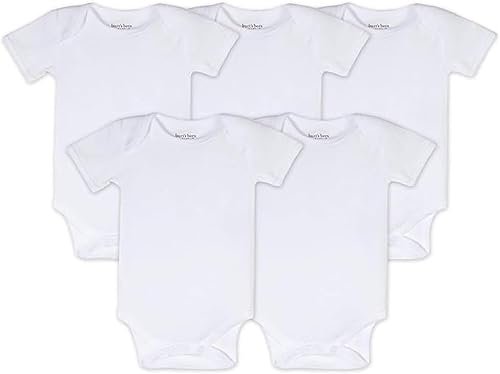
Burt's Bees Baby Organic Cotton Onesies 5-Pack
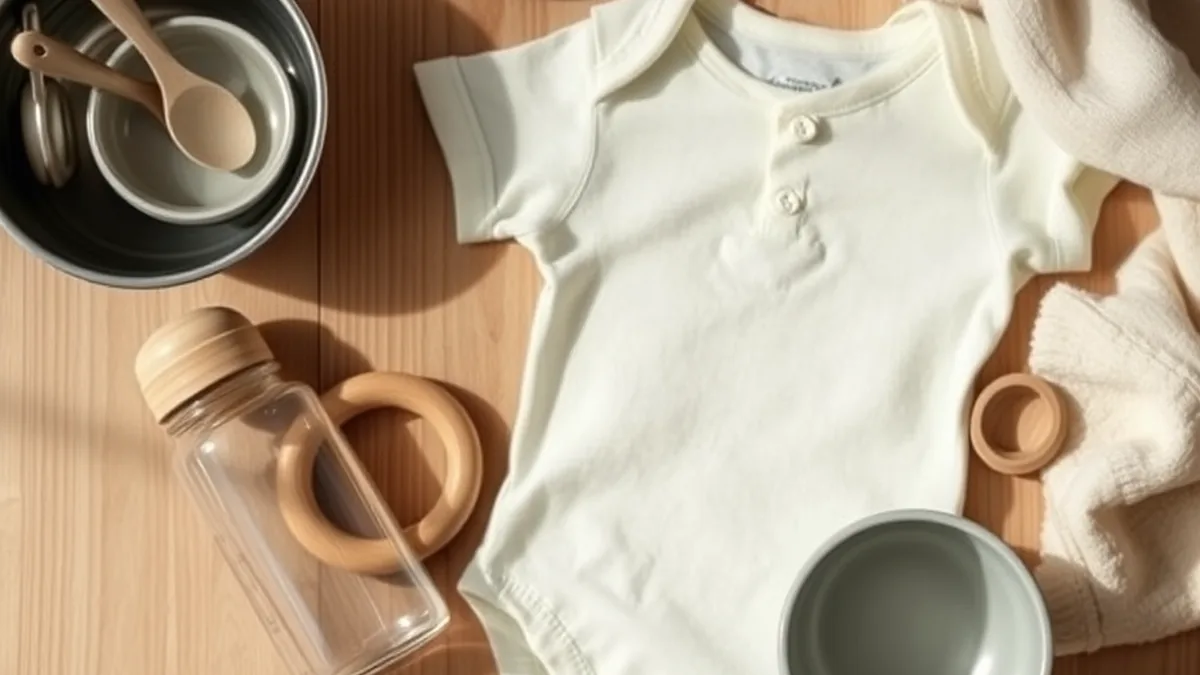
GOTS-certified organic cotton, manufactured in North Carolina. Plastic-free packaging (paper-only). Snap closures use stainless steel rather than plastic snaps. Fair Trade Certified factory.
- GOTS Organic
- Made in NC
- Plastic-free packaging
- Slightly heavier than plastic-snap onesies
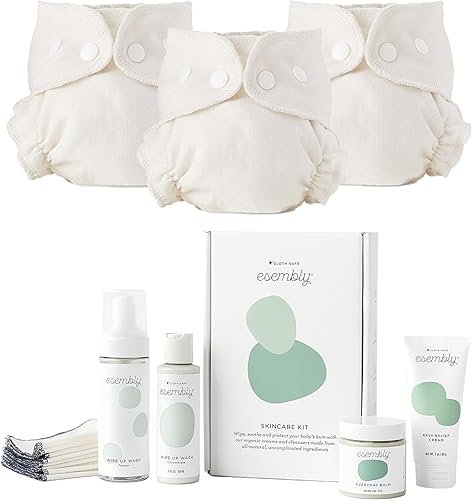
Esembly Cloth Diapers Try-It Kit
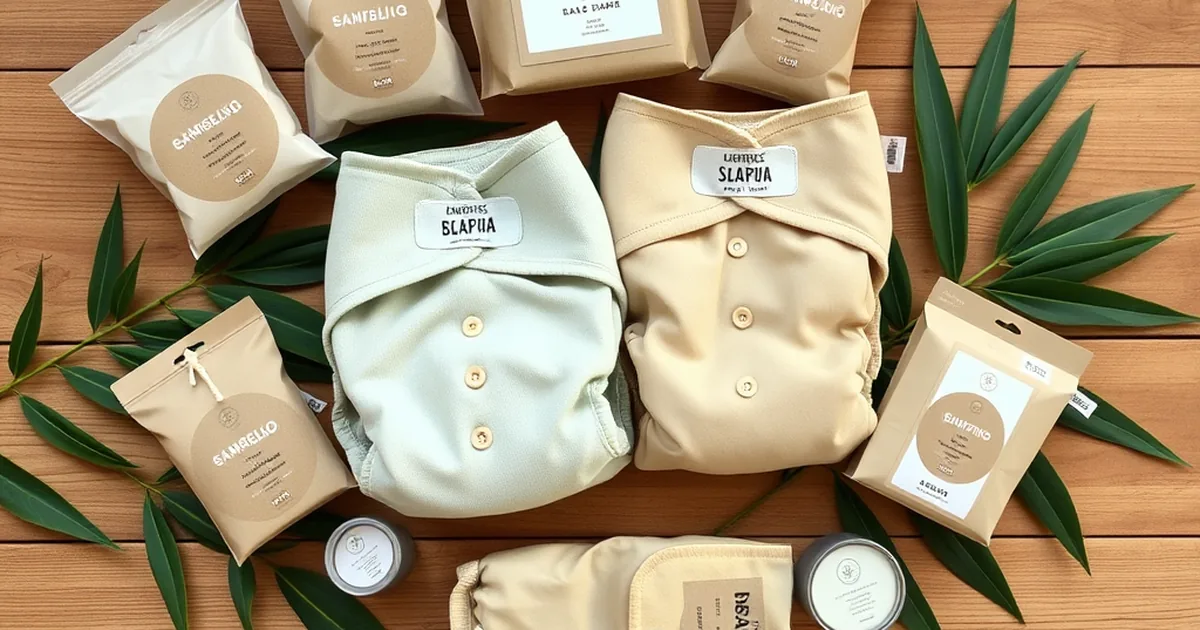
USDA Organic cotton inner diapers with TPU outer (a thermoplastic that's recyclable but not strictly plastic-free). Eliminates approximately 4,000 single-use disposable diapers in the first year. Closed-loop take-back program.
- USDA Organic cotton
- Take-back program
- Eliminates 4,000 disposables
- TPU outer (not strictly plastic-free)
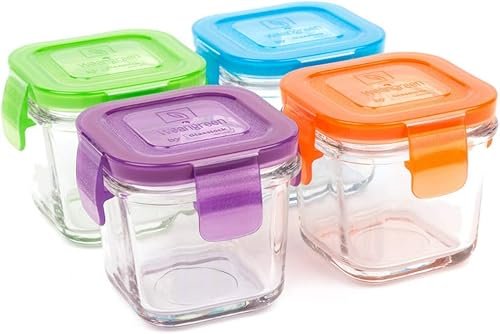
Wean Green Glass Baby Food Storage Cubes
4 oz glass storage cubes specifically designed for pureed baby food. Borosilicate glass, freezer-safe, microwave-safe (lid removed). Stackable design fits standard baby food makers. Made in the USA.
- Borosilicate glass
- Freezer-safe
- Stackable
- Heavier than plastic equivalents
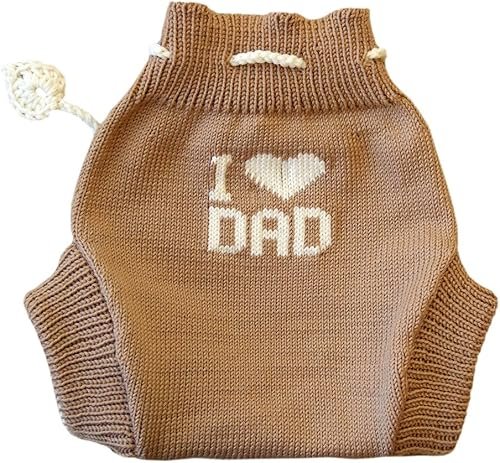
Etsy Hand-Knit Wool Diaper Cover
Wool diaper covers (made by various Etsy artisans) replace plastic diaper covers entirely. Lanolin-rich wool naturally repels moisture and is anti-bacterial. Compostable at end-of-life. Best paired with cloth diapers.
- 100% wool (compostable)
- Anti-bacterial
- Hand-knit
- Higher per-unit cost
- Wool requires lanolizing
What to avoid for plastic-free newborn care
- Plastic baby bottles - even BPA-free plastic bottles shed microplastics when heated. Switch to glass, stainless steel, or food-grade silicone.
- Disposable wipes - most contain polyester or polypropylene fibers. Use cotton washcloths with warm water.
- Plastic teethers and rattles - solid wood, food-grade silicone, or organic cotton are all plastic-free alternatives.
- Plastic baby food spoons - food-grade silicone spoons (Olababy, Bumkins) are functional alternatives.
- Synthetic-fiber baby clothing - polyester, nylon, and acrylic shed microplastics with every wash. Switch to organic cotton, hemp, or wool.
- Plastic crib mattresses - foam mattresses off-gas plasticizers. Switch to certified organic cotton or wool mattresses.
The microplastic science: what we actually know
Research on microplastic exposure in infants is rapidly evolving in 2025-2026. Key findings to date:
- 2024 University of Birmingham study: heated polypropylene baby bottles release 16 million microplastic particles per liter on average
- 2024 Hospital del Mar research: microplastics found in 79% of newborn meconium samples
- 2023 ETH Zurich study: glass and stainless steel feeding equipment reduces microplastic exposure by 70-90% vs. plastic
- 2025 American Pediatric Society: ongoing systematic review of long-term health implications expected to publish 2026-2027
Frequently asked questions
Related reading from Your Happy Baby
- Best Organic Baby Products in 2026
- Best Eco-Conscious Baby Products in 2026
- Best Vegan Baby Products in 2026
- Best Non-Toxic Baby Products in 2026