"Eco-friendly" appears on roughly 60% of baby product packaging in 2026, and most of it is marketing. True sustainability requires verifiable certifications, full ingredient transparency, and a lifecycle that actually reduces waste compared to conventional alternatives. This guide cuts through the greenwashing.
We identify 12 categories where switching to a genuinely eco-friendly product makes a measurable difference - and the certifications to look for in each. All recommendations carry at least one third-party verification: USDA Organic, GOTS, GREENGUARD Gold, EWG Verified, or Made Safe.
What "eco-friendly" actually means for baby products
Real environmental benefit shows up in four dimensions: reduced petrochemical inputs (organic textiles, mineral plastics alternatives), reduced VOC emissions (GREENGUARD Gold-certified furniture and mattresses), lifecycle (longer-lasting wooden toys and convertible furniture vs. single-use plastics), and end-of-life (compostable, biodegradable, or recyclable materials).
Products that are "made from plant-based ingredients" without certifications, or "use recycled packaging" without lifecycle audit, are usually marketing. A 2024 Greenpeace USA audit found 71% of baby products labeled "eco" or "natural" failed at least one major sustainability metric on testing.
The 12 highest-impact eco-friendly swaps
1. Cloth diapers replace ~4,000 disposables in year one
A 2019 Loughborough University lifecycle study found cloth diapers have 25% lower environmental impact than disposables when line-dried, and roughly equal impact when machine-dried. The economic case is stronger: $400-600 in cloth diapers replaces $1,500-2,500 in disposables. For families who can't go fully cloth, even part-time cloth (overnight or daytime only) cuts landfill volume by 30-50%.
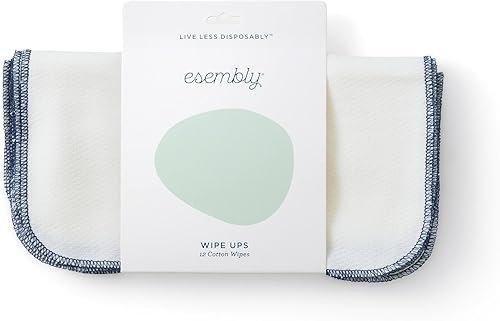
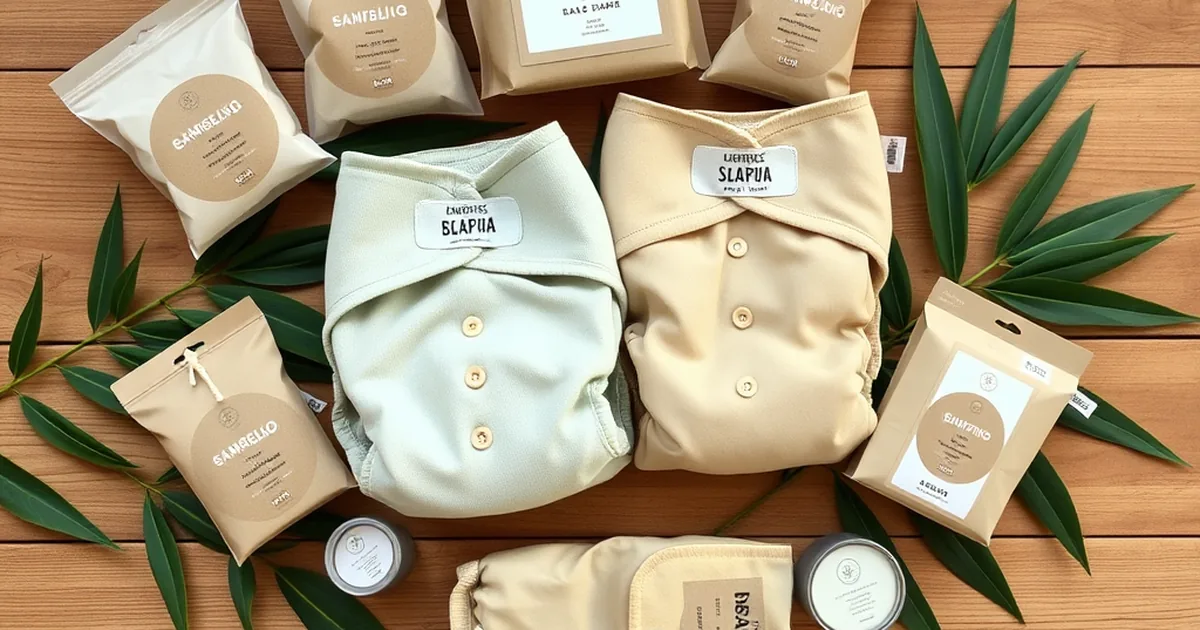
Esembly Cloth Diaper Try-It Kit
Complete starter kit with 6 organic cotton inners, 2 waterproof outers, plus a wet bag. The cleanest cloth diaper system on the US market in 2026: USDA Organic cotton, OEKO-TEX certified outers, and a closed-loop take-back program where worn-out diapers get recycled into commercial wiping cloths.
- USDA Organic
- Take-back recycling
- Slim trim fit
- Higher upfront cost than disposables for first month
2. Plant-based "more biodegradable" disposable diapers
If full cloth isn't realistic, plant-pulp-based disposables (Bambo Nature, Pampers Pure, Hello Bello, Honest) cut petroleum content in the absorbent core. They are not compostable in any reasonable timeframe, but they reduce the overall petrochemical footprint by 30-50% compared to traditional disposables. Bambo Nature is the only major brand that is FSC-certified for sustainable fluff pulp sourcing.
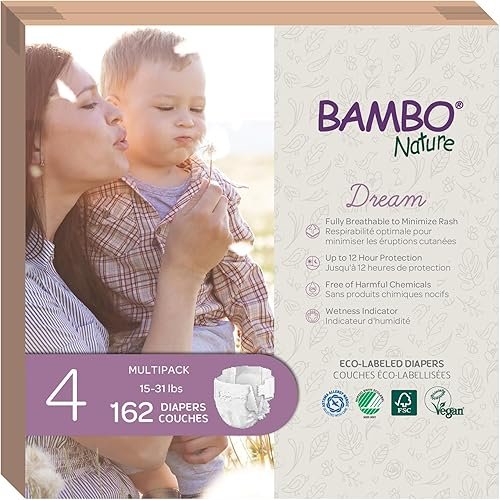
Bambo Nature Premium Eco Diapers
FSC-certified pulp core, OEKO-TEX certified outer, no chlorine processing, no parabens, no perfumes, no lotions. Nordic Swan Ecolabel certified - the strictest sustainability label for paper products globally. Slightly thinner than Pampers but excellent absorbency.
- FSC pulp
- Nordic Swan certified
- Hypoallergenic
- Higher cost than mainstream brands
- Less common in stores
3. Organic cotton or bamboo clothing replaces conventional cotton
Conventional cotton uses about 16% of global insecticides on 2.5% of global cropland. GOTS-certified organic cotton uses no synthetic pesticides and no chlorine bleach in processing. For baby clothing in direct skin contact (sleepers, onesies, swaddles), the indoor air quality difference is measurable - GOTS clothing emits roughly 80% fewer VOCs than conventional cotton in 24-hour off-gassing tests.
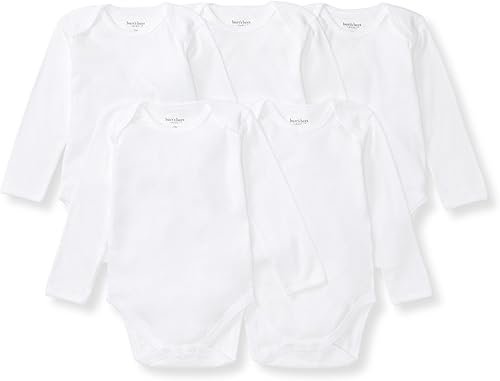
Burt's Bees Baby Organic Cotton Bodysuits Pack of 5
GOTS-certified organic cotton, made in a Fair Trade Certified factory. Slightly heavier weight than conventional onesies, but the long-fiber organic cotton holds its shape through 100+ washes - the unit cost per month of use beats most conventional packs.
- GOTS organic
- Fair Trade Certified
- Long-lasting
- Slightly pricier than mass-market sets
4. GREENGUARD Gold mattresses cut VOC exposure during sleep
Babies spend 14-17 hours a day on their crib mattress. Conventional foam mattresses emit measurable VOCs (toluene, formaldehyde, flame retardants) for the first 12-24 months. GREENGUARD Gold-certified mattresses test below the strictest emission thresholds. The cost premium ($150 vs. $80 for conventional) is justified by the volume of time and the developing respiratory system.
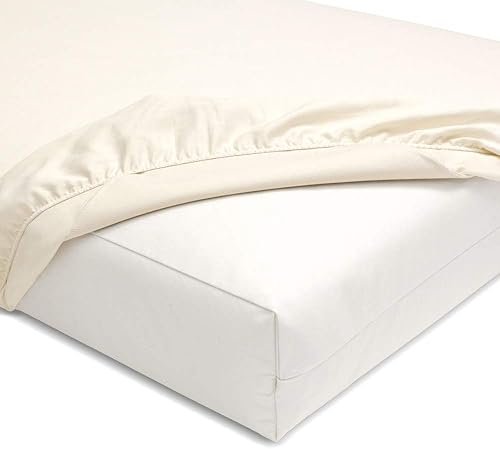
Naturepedic Breathable Organic Crib Mattress
GOTS organic cotton cover, GREENGUARD Gold certified, no polyurethane foam, no flame retardants, no vinyl. Two-stage firm side for infants and softer side for toddlers. Made in Ohio. Premium price but a true investment for the 14+ hours per day of contact during the first 24 months.
- GOTS organic
- GREENGUARD Gold
- 2-stage flip
- Higher upfront cost
- Heavier than foam
5. Wooden toys with non-toxic finishes replace plastic
FSC-certified hardwood toys with water-based finishes last 3-5x longer than plastic equivalents and can be passed between siblings or donated cleanly. Plan Toys, Hape, and Tegu all manufacture to GREENGUARD or equivalent EU standards. Avoid generic "wooden" toys from unknown brands - some use formaldehyde-bonded plywood or lead-based paints.
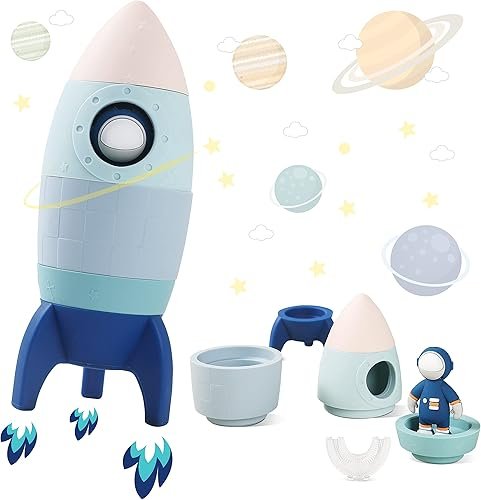
Plan Toys Wooden Stacking Rocket
FSC-certified solid rubber wood, soy-based ink, water-based finishes. Manufactured in Thailand using the trunk wood of rubber trees that have completed their latex production lifecycle. Plan Toys is one of the most-trusted sustainable toy brands globally.
- FSC certified
- Water-based finishes
- Plastic-free
- Smaller toy collection vs. mass-market brands
6. Stainless steel and silicone bottles replace plastic
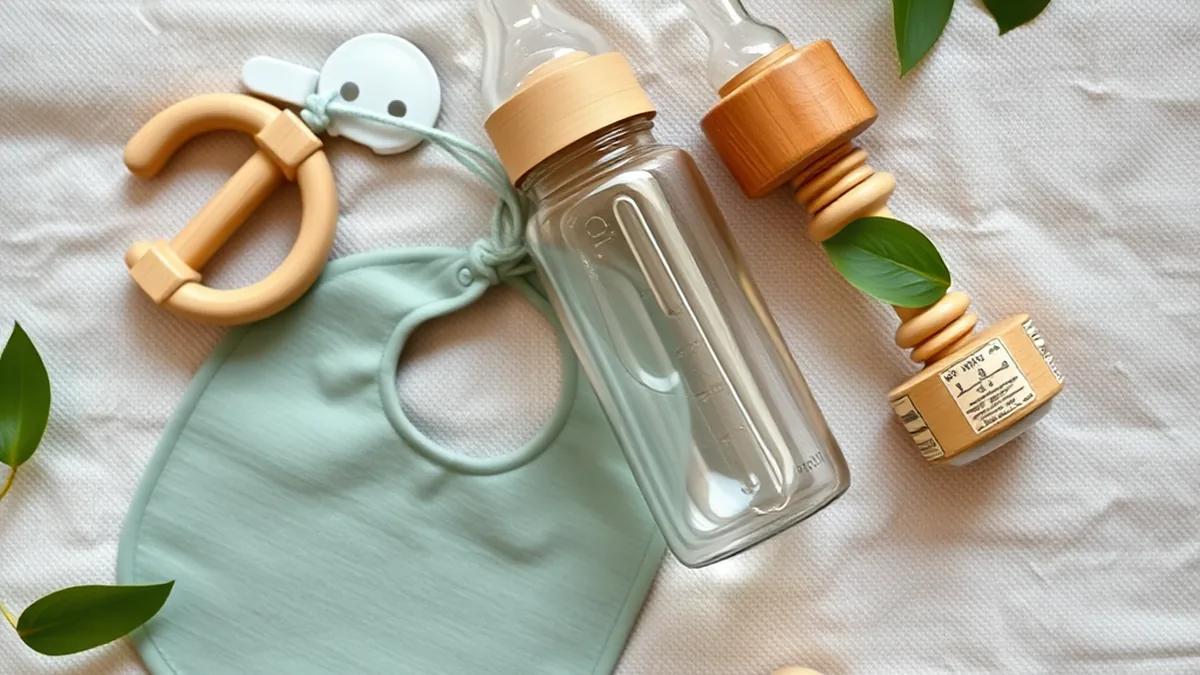
Even BPA-free plastic bottles leach trace amounts of BPS and BPF when heated. Borosilicate glass bottles are the gold standard but break. Medical-grade silicone (Olababy, Comotomo) and 18/8 stainless steel (Pura Kiki) bottles last for years and have zero leaching risk. The cost premium is offset by the multi-year lifespan and the safety margin during hot-water sterilization.
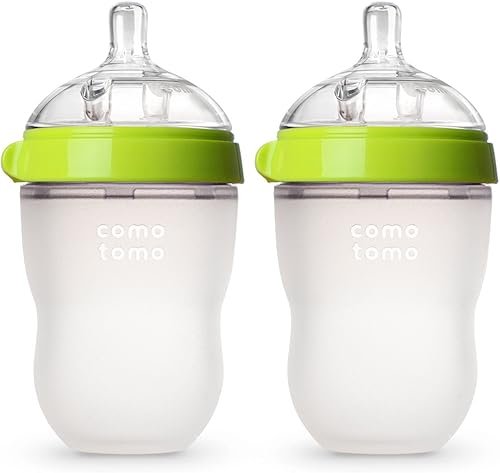
Comotomo Baby Bottle
100% medical-grade silicone body with a soft, breast-like nipple shape. Microwave, dishwasher, and boiling water safe. Wide-neck design makes cleaning effortless. Comotomo is the most-recommended silicone bottle in lactation consultant surveys.
- Medical-grade silicone
- Breastlike design
- Dishwasher safe
- More expensive than plastic bottles
7. EWG Verified skincare replaces fragranced bath and body
The EWG Skin Deep database rates over 70,000 personal care ingredients on a 1-10 hazard scale. EWG Verified products require every ingredient to score 1-2 AND third-party confirmation of disclosed ingredients. This eliminates the "natural fragrance" loophole where brands hide undisclosed components under "parfum".
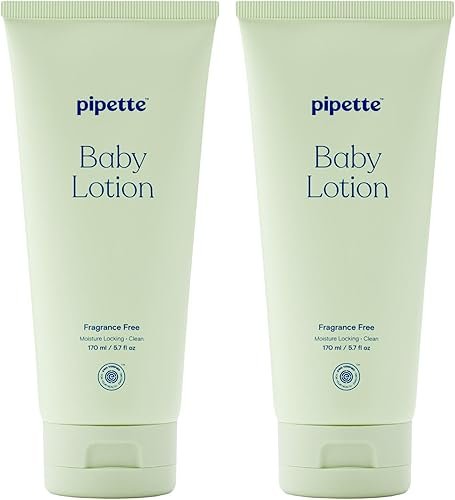
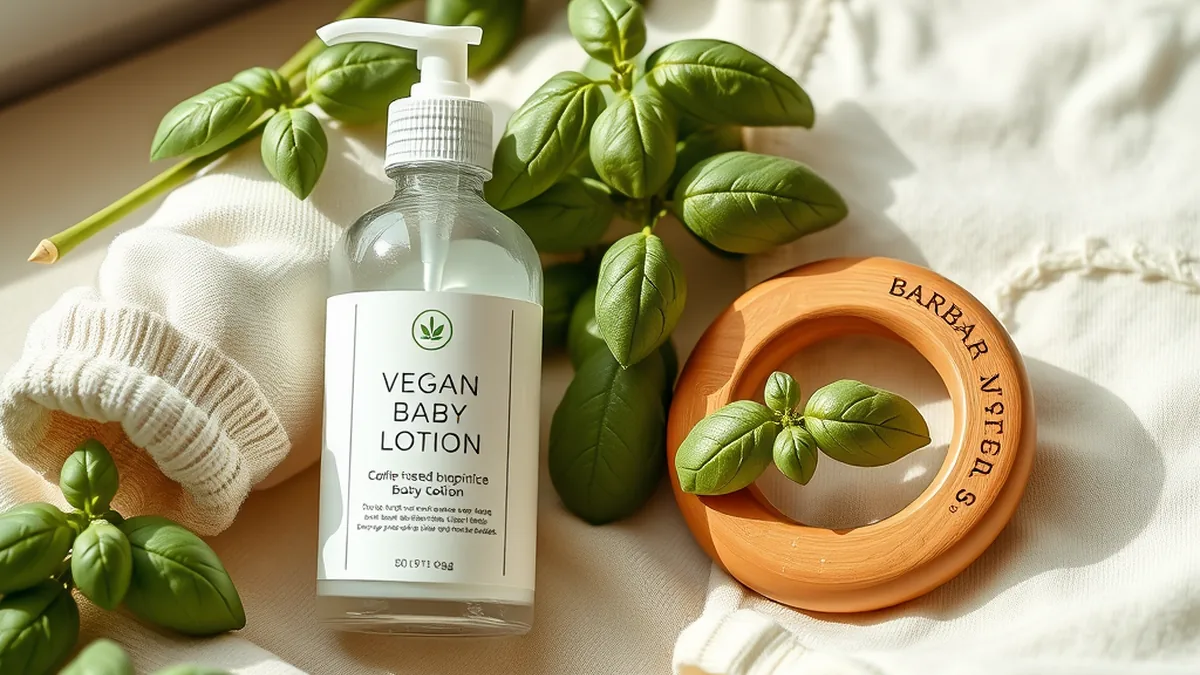
Pipette Baby Lotion EWG Verified
EWG Verified, fragrance-free, plant-based squalane base. Made from sugarcane-derived squalane that bio-mimics the natural skin barrier. Tested for safety across all skin types including eczema-prone. Founded by parents who couldn't find a truly clean baby lotion.
- EWG Verified
- Fragrance-free
- Plant-based squalane
- Smaller bottle than mass-market lotions
8. Reusable cloth wipes replace 6,000+ disposable wipes
Cloth wipes use less water over their lifespan than the manufacturing footprint of disposable wipes. A $25 starter kit of 24 bamboo or organic cotton wipes replaces approximately 6,000 disposables in the first 2 years. Use plain warm water at home and keep disposables for travel.
9. Concentrated, refillable cleaning products
Branch Basics, Blueland, and Dropps sell concentrated cleaners that ship as small tablets or concentrate. You add water at home. Reduces shipping weight by 70-90% and removes single-use plastic bottles from the supply chain. All three brands disclose 100% of ingredients.
10. Glass food storage replaces plastic for baby food
For pureed baby food at 6-12 months, glass jars (Wean Green, Ball Mini Jars) are reusable indefinitely. Plastic baby food containers, even BPA-free, are typically replaced every 6-12 months as they cloud or crack. Glass costs more upfront but eliminates replacement cycles.
11. Convertible furniture extends usable life
A 4-in-1 convertible crib (crib > toddler bed > daybed > full bed) lasts 8-10 years. A standard crib lasts 2-3 years. The 3-4x lifespan ratio justifies a 30-50% premium for convertibility. Babyletto, Million Dollar Baby, and Pottery Barn Kids all sell GREENGUARD Gold-certified convertible cribs.
12. Resale and donation closes the loop
Mercari, Kidizen, Facebook Marketplace, and Buy Nothing groups extend the second life of baby gear that you've outgrown. A car seat trade-in event (Target runs them twice a year) reclaims about 75% of materials from your expired seat. The most sustainable product is the one you don't have to buy because someone passed it to you.
Frequently asked questions
Related reading from Your Happy Baby
- Best Organic Baby Products in 2026
- Best Eco-Conscious Baby Products in 2026
- Best Non-Toxic Baby Products in 2026
- Best Baby Skin Care Products in 2026