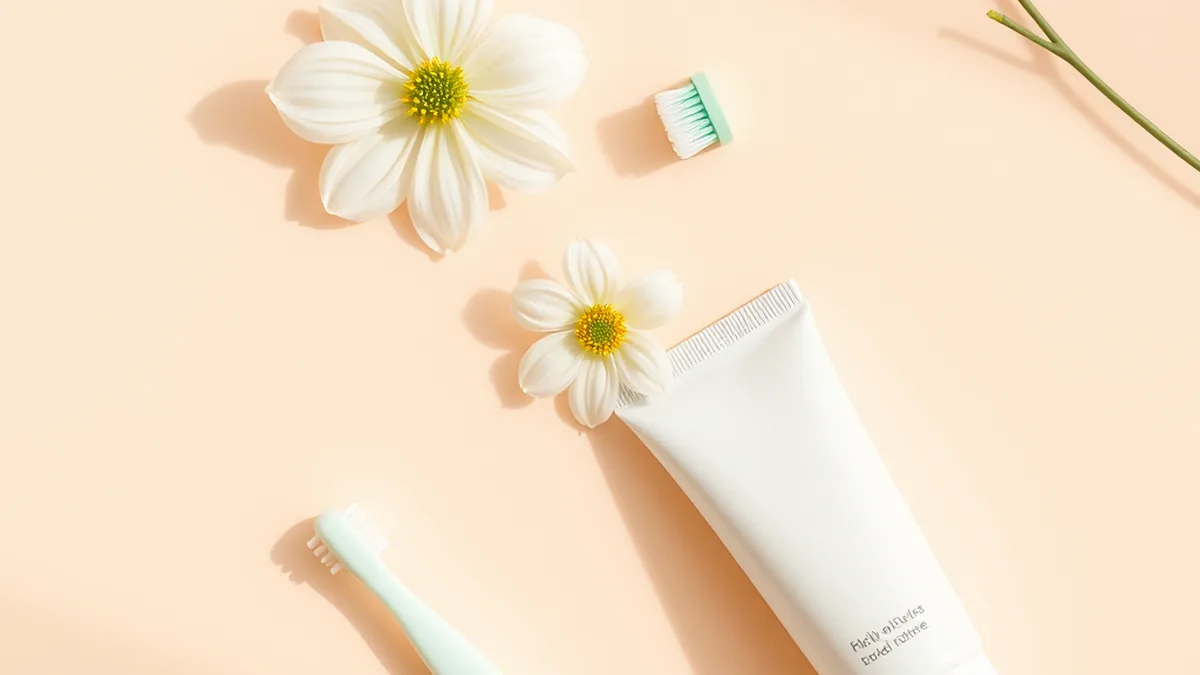
Baby oral care starts earlier than most parents expect — before the first tooth even appears. The American Academy of Pediatric Dentistry recommends wiping a baby's gums from the newborn stage, starting toothbrushing as soon as the first tooth erupts (usually around 6 months), and scheduling the first dental visit by the first birthday. The right products make this routine simple instead of a struggle.
This guide covers the baby oral care products genuinely worth owning: gum massagers for the pre-tooth stage, first toothbrushes designed for tiny mouths, and teething tools that actually soothe. Every pick is chosen for safe materials, age-appropriate design, and pediatric-dentistry-aligned use.
When to start baby oral care
Oral care follows a simple timeline. From birth, wipe your baby's gums with a clean damp cloth or a silicone finger brush once a day to clear milk residue and build the habit. When the first tooth erupts (typically 4 to 7 months), switch to an infant toothbrush with a tiny smear of fluoride toothpaste the size of a grain of rice. By age 3, move up to a pea-sized amount. Schedule the first dental visit by 12 months, as the AAPD advises — early visits catch problems and make the dentist a familiar place.
Our top baby oral care products for 2026
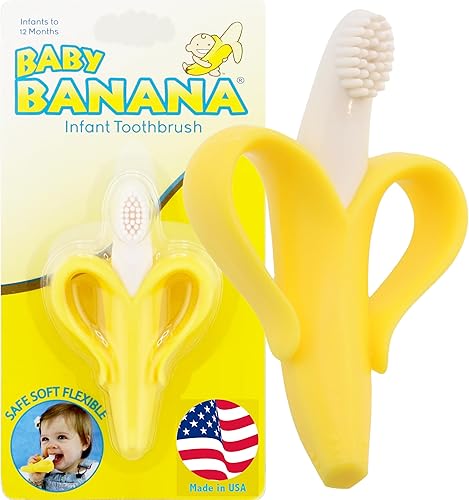
Baby Banana Infant Toothbrush
A soft one-piece silicone toothbrush shaped like a banana, with flexible side wings that double as a teether and built-in stops so it cannot be pushed too far back. Designed for babies to safely hold and chew while learning the brushing motion.
- Soft food-grade silicone
- Doubles as a teether
- Safe-stop wings prevent gagging
- Bristles are gentle, not deep-cleaning

Dr. Brown's Infant-to-Toddler Toothbrush
An extra-soft toothbrush with a chunky handle sized for a parent or a learning toddler to grip. The compact head reaches tiny back teeth and the soft bristles are gentle on new gums and enamel. Often sold in value multi-packs.
- Extra-soft bristles
- Easy-grip handle
- Excellent price
- Plain design, no teether function
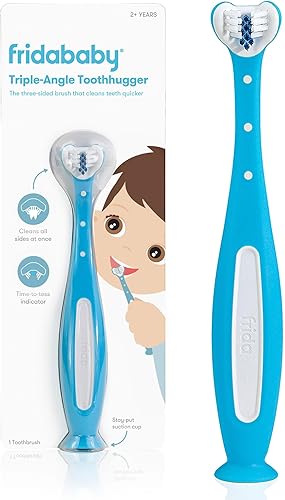
Frida Baby Triple-Angle Toothbrush
A three-sided toothbrush that cleans the front, top and back of each tooth in a single pass — useful for wiggly toddlers who will only tolerate brief brushing. From Frida Baby, the brand behind the NoseFrida.
- Cleans 3 surfaces at once
- Fast for uncooperative toddlers
- Trusted Frida Baby brand
- Best after several teeth have come in

Brilliant Baby Toothbrush by Baby Buddy
A round 360-degree brush head with thousands of soft micro-bristles, so it cleans teeth from any angle no matter how the baby holds it. Ideal for the stage when a baby wants to do it themselves.
- 360-degree bristle head
- Forgiving for self-brushing
- Soft on enamel
- Bristles wear faster than flat brushes

Baby Buddy Silicone Gum Massager
A soft silicone finger brush for the pre-tooth stage. It slips over a parent's fingertip to wipe gums clean after feeds and gently massage sore, teething gums. Boil-safe to sterilize.
- For the newborn pre-tooth stage
- Soothes teething gums
- Boil-safe silicone
- Outgrown once teeth come in
Teething relief: what works and what to skip
Teething is the hardest part of early oral care. What helps: a clean chilled (not frozen) silicone teether, a damp washcloth chilled in the fridge, gentle gum massage with a clean finger, and an appropriate dose of infant acetaminophen if your pediatrician approves it for a genuinely uncomfortable night.
What to skip: the FDA has warned against benzocaine teething gels (Orajel and similar) for children under 2 because of a rare but serious blood-oxygen risk, and against amber teething necklaces, which are both a choking and strangulation hazard with no proven benefit. Frozen-solid teethers can also bruise gums — chill, do not freeze.
How to actually brush a baby's teeth
Use a smear of fluoride toothpaste the size of a grain of rice until age 3. Brush twice a day, especially before bed, since saliva flow drops overnight and leaves teeth most vulnerable. Lay a young baby in your lap with their head tilted back so you can see, and brush in small circles for about a minute. Expect resistance — singing, mirrors and letting the baby hold their own brush alongside yours all help turn it into a routine rather than a fight.
Frequently asked questions
Related reading from Your Happy Baby
- Must-Have Baby Products: 2026 Registry Checklist
- Best Baby Feeding Products of 2026
- How to Choose Baby Products: Buying Guide
- Best Plastic-Free Baby Products for Newborns