Approximately 1 in 10 US babies is born preterm (before 37 weeks gestation), and many spend days to months in a NICU before coming home. Preemie babies have different equipment needs than full-term babies - smaller clothing (down to 1-3 lbs), specialty bottle nipples for weak suck reflexes, ultra-gentle skincare for thinner skin, and gear that supports the developmental "catch-up" period after NICU discharge. Mainstream baby brands often don't carry sizes or formulations small enough for premies.
This guide covers preemie-specific baby products with input from NICU graduate parents and pediatric nurses. Every product on this list is widely used in NICUs or recommended by graduating NICU programs across the US.
Preemie baby care realities
Three logistics drive most preemie gear decisions:
- Size constraints. Newborn (NB) clothing typically fits 5-8 lbs. Premies need preemie sizes (3-5 lbs) and micro-preemie sizes (under 3 lbs). Mass-market brands rarely carry preemie sizes.
- Underdeveloped suck reflexes. Many preemies have weak or uncoordinated suck reflexes and need specialty bottle nipples with slower flow rates. Standard newborn nipples often produce too much milk too fast.
- Thinner, more permeable skin. Preemie skin is 30-50% thinner than full-term newborn skin, making it more susceptible to chemical absorption and irritation. Ultra-gentle skincare is critical.
Our top 7 preemie baby product picks for 2026
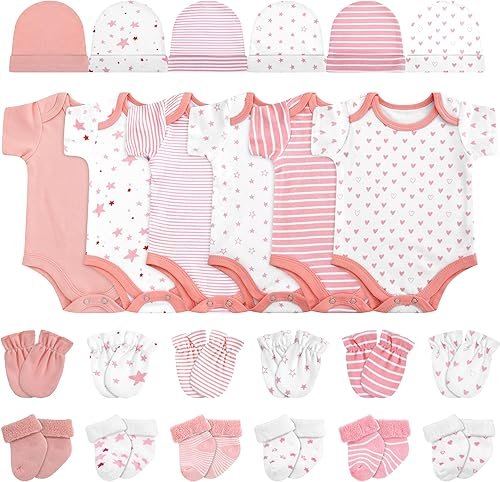
LouLou and Company Preemie Layette Set
Specifically designed preemie clothing line. Sizes from micro-preemie (under 2 lbs) through preemie (3-5 lbs). Soft organic cotton, contoured fit for slim preemie torsos. The most-recommended preemie clothing brand by NICU nurses in 2026.
- Micro-preemie sizes
- Organic cotton
- NICU-recommended
- Limited availability
- Specialized purchase
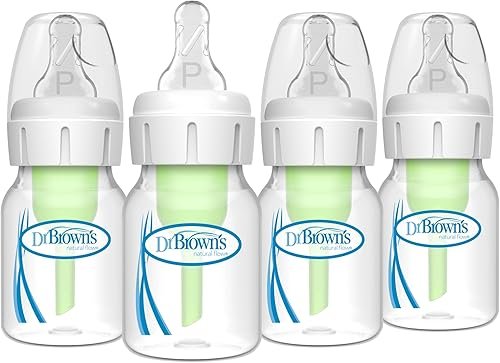
Perfectly Preemie Premature Baby Bottle
Specialty preemie bottle with adjustable slow-flow nipple specifically designed for weak suck reflexes. Anti-colic vent. Made of polypropylene (no glass shatter risk in NICU/hospital settings).
- Adjustable slow flow
- Anti-colic
- Preemie-specific
- Higher price than standard bottles
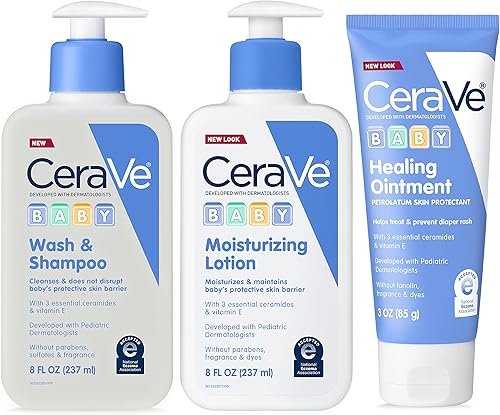
CeraVe Baby Healing Ointment
NICU-recommended healing ointment. Petrolatum + ceramides + panthenol. Lanolin-free. EWG 2 rated. Used for post-circumcision care, dry patches, and barrier repair on the thin skin of preemies.
- NICU-recommended
- Lanolin-free
- Multi-purpose
- Greasy on first application
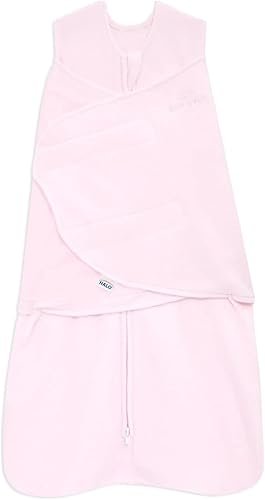
HALO Preemie SleepSack Swaddle
Wearable swaddle sized for preemies and small newborns (roughly 4-10 lbs). The adjustable swaddle wings allow arms-in or arms-out, the design is hip-healthy, and it follows AAP safe-sleep guidance as a blanket replacement.
- Preemie and newborn sizing
- Adjustable swaddle wings
- AAP-aligned design
- Limited size range
- Outgrown quickly
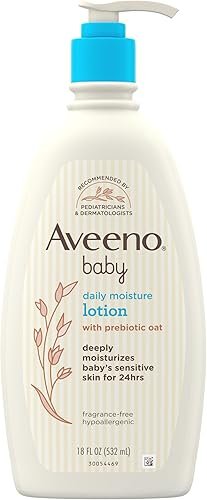
Aveeno Baby Daily Moisture Lotion Fragrance Free
NEA Seal of Acceptance. NICU-approved for sensitive preemie skin. Fragrance-free, EWG 2 rated. Apply within 3 minutes of bath time to support the developing skin barrier.
- NEA Seal
- NICU-safe
- Fragrance-free
- Pump can clog over time
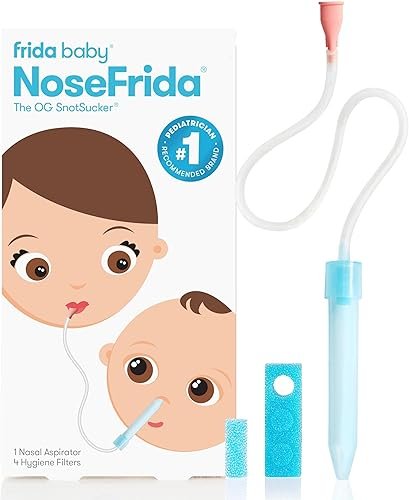
Frida Baby NoseFrida Snotsucker
NICU-graduate-approved nasal aspirator. Filter prevents backflow. More effective than bulb syringes for clearing preemie nasal passages. Pediatricians recommend for first 6 months at home.
- Doctor-recommended
- Filter prevents backflow
- Easy to clean
- Spare filters cost extra
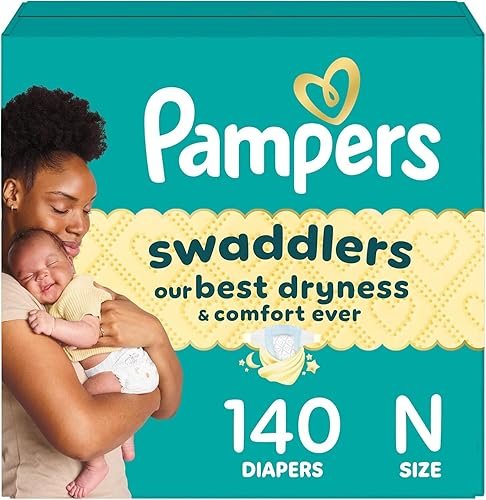
Pampers Swaddlers Preemie Diapers
Preemie-size Pampers Swaddlers for babies under 6 lbs, widely used in hospital NICUs. A soft contoured fit, wetness indicator, and umbilical-cord notch make them well suited to the smallest newborns and NICU graduates.
- NICU-trusted brand
- Wetness indicator
- Umbilical-cord notch
- Outgrown within weeks
- Limited store availability
NICU discharge planning
If your baby is approaching NICU discharge, your discharge nurse will provide a list of recommended take-home equipment. Common items include:
- Apnea monitor or pulse oximeter (if prescribed by your pediatrician)
- Specialty formula or breast milk fortifier (often for premies who came off breast milk too early)
- Reflux wedges or positioners (FDA-cleared, not the recalled inclined sleepers)
- Therapy schedule binder for developmental follow-up appointments
- Emergency contact list for NICU, pediatrician, lactation consultant, and developmental specialist
Frequently asked questions
Related reading from Your Happy Baby
- Must-Have Baby Products: 2026 Registry Checklist
- Newborn Essentials Checklist
- Best Japanese Baby Products in 2026
- Best French Baby Products in 2026