Japan has one of the world's most discerning baby product markets - parents demand precision engineering, ingredient transparency, and ergonomic design at levels that exceed most Western brands. Many Japanese baby products that don't have widespread US distribution are sought after by US parents through international shipping or specialty importers.
This guide covers Japanese baby brands available to US parents in 2026, either through US Amazon, dedicated Japanese product importers (Wafuu, The Best From Japan, Japan Centre), or international shipping direct from Japanese e-commerce. Many of these products solve specific problems that mainstream Western brands handle poorly.
Why Japanese baby products are sought after
Three reasons drive US demand for Japanese baby products:
- Japanese consumer protection laws are stricter than the US. The Japanese Ministry of Health regulates baby products under stricter ingredient and safety standards than US FDA. Many Japanese baby products that pass home regulations would also pass US regulations - but the reverse is often not true.
- Japanese design philosophy emphasizes detail. Bottle nipples, swaddle wrap design, baby cosmetic packaging - all reflect a level of design refinement that mass-market Western brands often skip.
- Specialty products fill US market gaps. Japanese-style absorbent diapers (Goon, Merries), high-pH-balanced cleansers (Mama Bear, Wakodo), and specific feeding bottles (Pigeon SofTouch) handle problems that US brands address less effectively.
Our top 7 Japanese baby product picks for 2026
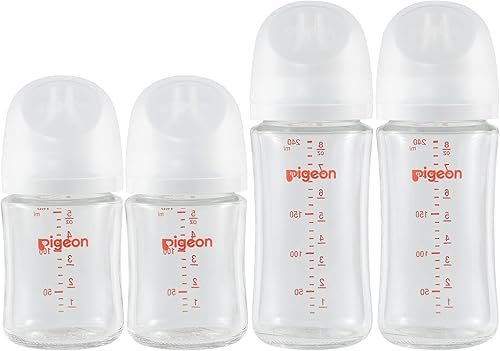
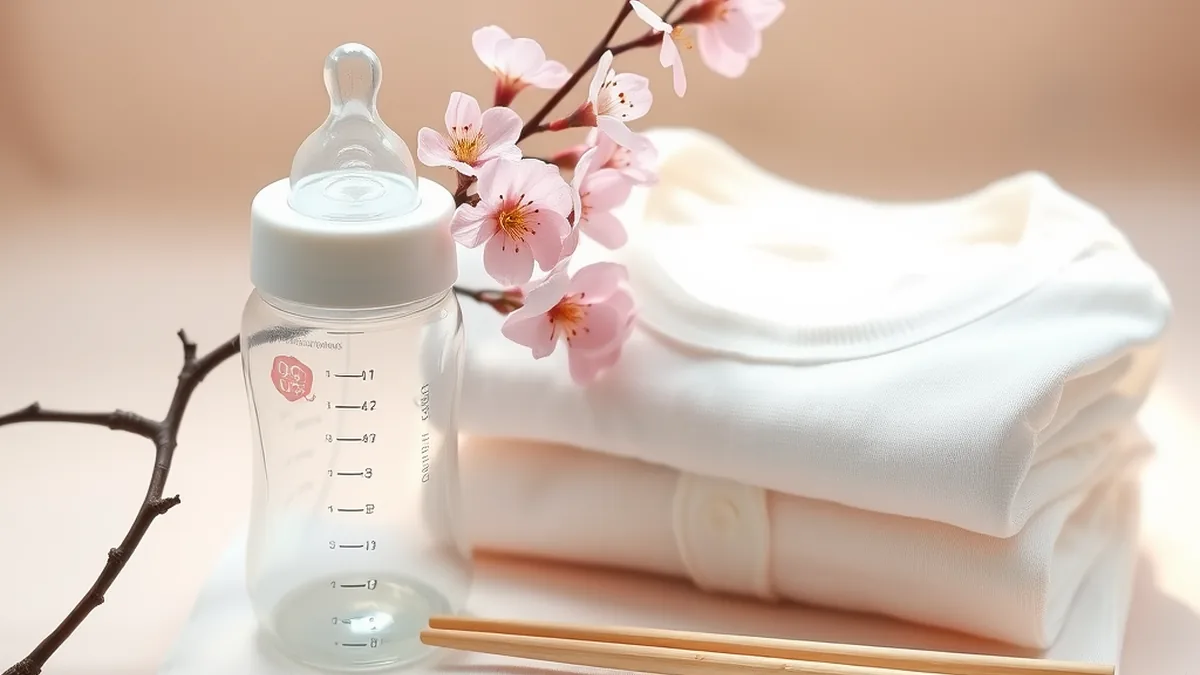
Pigeon SofTouch Peristaltic Plus Wide-Neck Bottle
The most-recommended Japanese baby bottle, designed to mimic the natural breast-feeding motion. The peristaltic nipple flexes in 3 directions, encouraging the baby's natural tongue motion. Available on US Amazon. Made in Japan.
- Peristaltic 3-direction nipple
- Mimics breastfeeding
- Available US Amazon
- Higher price than mass-market
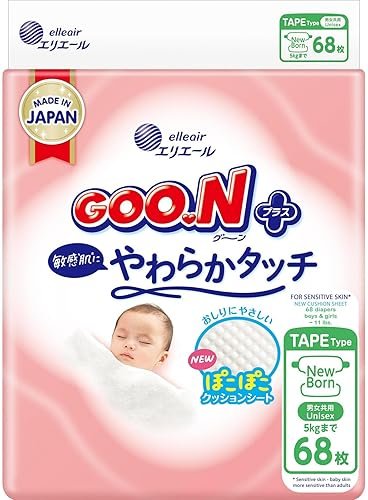
Goon Plus Newborn Diapers (Pack of 90)
Premium Japanese diaper brand with notably higher absorbency than US-sold Pampers Premium. Features a unique wetness indicator and ultra-soft top sheet. Available through US importers (Amazon Marketplace and dedicated Japanese product retailers).
- Higher absorbency than US brands
- Made in Japan
- Wetness indicator
- Higher cost (import pricing)
- Limited US availability
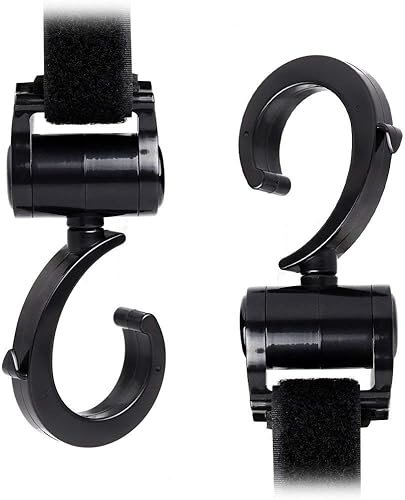
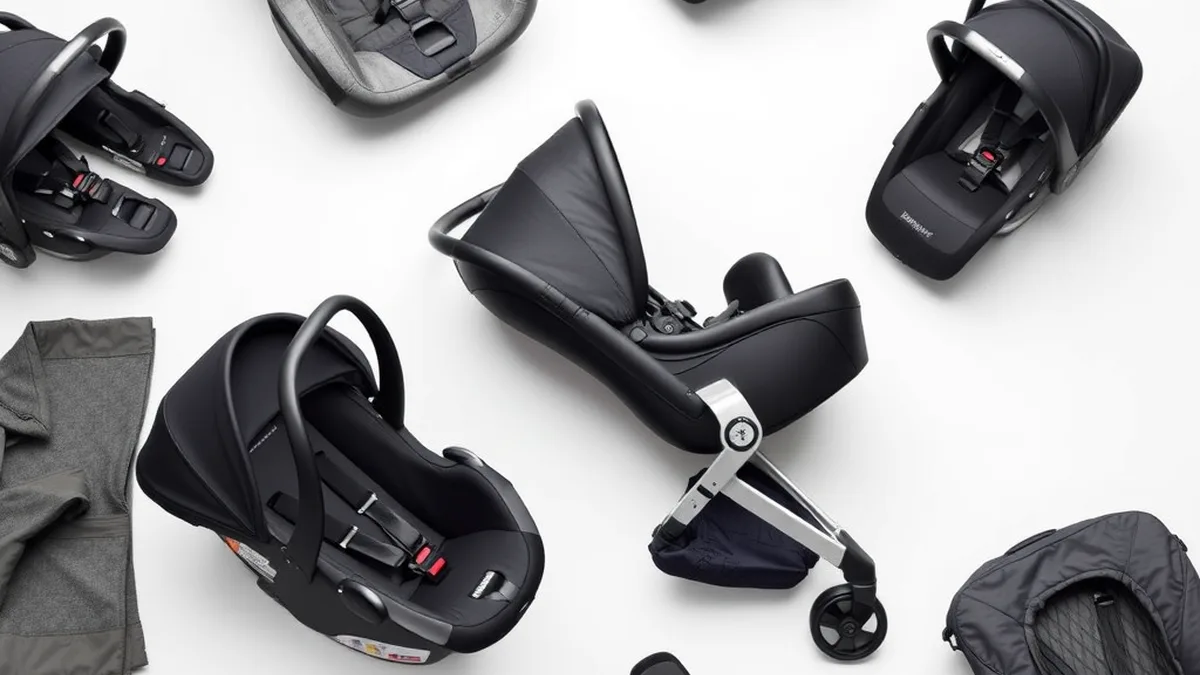
Combi Joie Car Seat (US-Compatible Version)
Combi is one of Japan's largest baby gear manufacturers. The US-spec Joie line offers Japanese engineering quality at competitive US prices. ASTM and FMVSS 213 certified for US sales. JPMA certified.
- Japanese engineering quality
- JPMA certified
- Lower-cost than Doona
- Less common than Graco/Britax
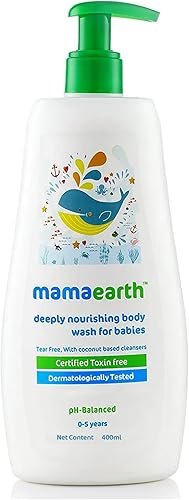
Mama Bear Baby Body Wash (pH 5.5)
Japanese pH-balanced baby wash with a subtle yuzu citrus extract scent. Available through specialty Japanese importers and increasingly on US Amazon. Made by Mama Bear Japan, a long-established Japanese pediatric skincare brand.
- pH 5.5 balanced
- Yuzu citrus extract
- Hypoallergenic
- Less common in US
- Light citrus scent
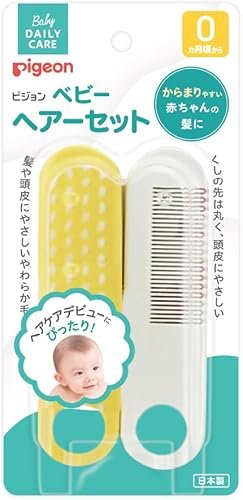
Pigeon Anti-Slip Baby Hair Brush
Soft natural Boar bristle brush specifically designed for delicate newborn hair. The non-slip handle is designed for parent grip during gentle scalp massage. The most-recommended baby hair brush in Japanese pediatric clinics.
- Soft Boar bristles
- Anti-slip handle
- Pediatrician-recommended in Japan
- Smaller than US brushes
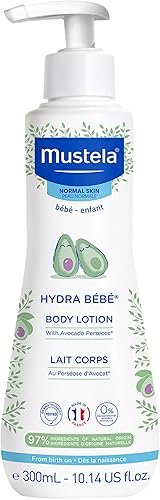
Mustela Hydra Bebe Baby Lotion
Daily moisturizing baby lotion with patented Avocado Perseose to protect and strengthen the developing skin barrier. Fragrance-free, fast-absorbing, and gentle enough for newborn skin from birth.
- Avocado Perseose barrier protection
- Fragrance-free
- Fast-absorbing
- Premium price
- Pump can clog over time
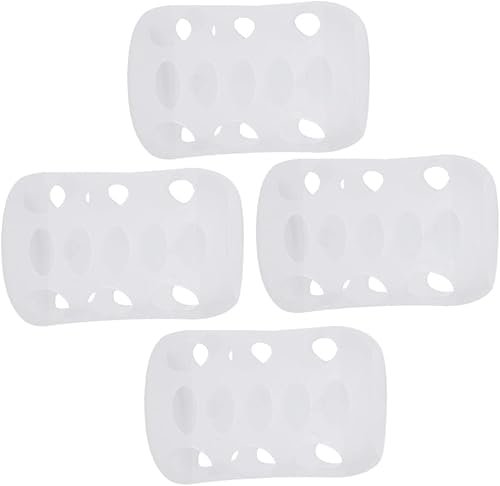
Pigeon Baby Silicone Bib
Roll-up silicone bib with a deep food-catching well. The Japanese version features a more ergonomic neck cut (designed around the average Japanese infant neck size, which fits most US babies well). Dishwasher safe.
- Deep food well
- Ergonomic neck design
- Dishwasher safe
- Color options limited
Where to buy Japanese baby products in the US
Best US sources in 2026:
- Amazon US Marketplace - many Japanese brands now sell direct to US consumers (Pigeon, Combi, Goon)
- Wafuu (wafuu.com) - dedicated Japanese product importer with 50+ baby brands
- The Best From Japan (thebestfromjapan.com) - curated specialty importer
- Tokyo Ginza Mart - Japanese specialty retailer with 5+ US locations and online shipping
- Direct shipping from Japan - Rakuten Japan, Amazon JP, and Yahoo Shopping all ship internationally to US (factor in 7-14 day shipping)
What Japanese baby brands DO better than US brands
- Bottle nipple design - Pigeon's peristaltic design genuinely mimics breastfeeding mechanics better than most US bottles
- Diaper absorbency - Japanese premium diapers (Goon, Merries) have higher absorbency-per-weight than US Pampers Premium
- Skincare ingredient simplicity - Japanese baby skincare typically uses 8-12 ingredients vs. 25-30 in US brands
- pH-balanced philosophy - widely adopted in Japan, less common in mainstream US brands
- Ergonomic detail - non-slip handles, finger-grip nipple bottles, contoured pacifiers - small details engineered for usability
Frequently asked questions
Related reading from Your Happy Baby
- Must-Have Baby Products: 2026 Registry Checklist
- Newborn Essentials Checklist
- Trending Baby Products 2026
- How to Choose Baby Products: Buying Guide