Korean baby products have a devoted following in the US, partly because of the parallel "K-beauty" trend for adults but mainly because Korean baby skincare combines centuries-old traditional ingredients with cutting-edge formulation science. Korean baby brands also emphasize the kind of detail-oriented design philosophy that makes everyday tasks easier - ergonomic bottle shapes, precise nipple flow rates, beautiful packaging that doubles as memorabilia.
This guide covers Korean baby brands available to US parents in 2026, either through US Amazon, dedicated K-baby importers (Mamarang, Kbaby, Sanhoo Mall), or international shipping. Each product on this list is verified available to US consumers as of May 2026.
Why Korean baby products are sought after
Three reasons drive US demand:
- Korean regulatory standards are strict. The Korea Ministry of Food and Drug Safety regulates baby products under standards similar to the EU - much stricter than US FDA on cosmetic ingredients.
- K-beauty heritage applied to babies. Korean baby skincare draws on centuries of traditional Korean medicine plus modern formulation science. Brands like Sulwhasoo and Atobarrier have decades of dermatology research.
- Premium design philosophy. Korean baby products typically feature ergonomic detail (bottle nipple angle, baby spoon scoop depth, contoured pacifier shape) that mass-market US brands often skip.
Our top 6 Korean baby product picks for 2026
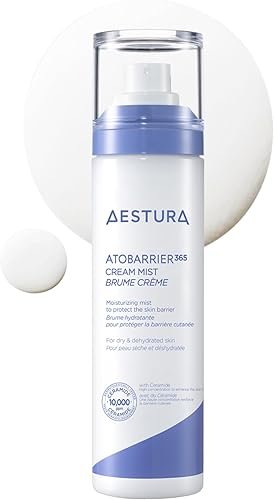
AESTURA Atobarrier 365 Cream
Korean dermatology cream for atopic and sensitive baby skin. The Atobarrier 365 formula uses ceramides and panthenol to repair and reinforce the skin barrier. Developed by AESTURA, a clinical skincare brand recommended by Korean dermatologists.
- Ceramide barrier repair
- For atopic and sensitive skin
- Dermatologist-developed
- Premium price
- Limited US retail availability
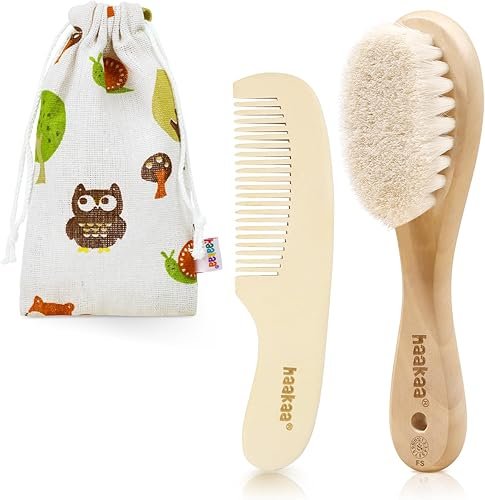
Daiso Korean Baby Soft Brush
Soft natural-bristle hair brush specifically designed for delicate Korean baby hair. The brush is shaped for the contour of a newborn skull and has anti-slip grip handle. The most-popular Korean baby brush in 2026.
- Soft natural bristles
- Ergonomic handle
- Affordable
- Smaller than US brushes
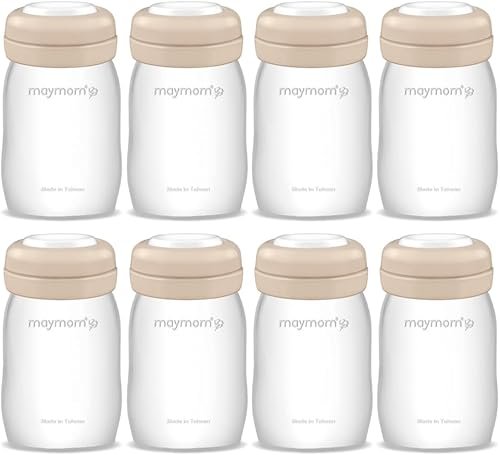
Korean Baby Bottle Spectra SpoiLi Wide-Neck
Premium Korean baby bottle. Anti-colic vent system. Designed with extra-soft silicone nipple shaped for breast-feeding compatibility. Made in South Korea. Available on US Amazon through Mamarang.
- Anti-colic
- Breast-feeding compatible
- Made in Korea
- Higher price than mass-market
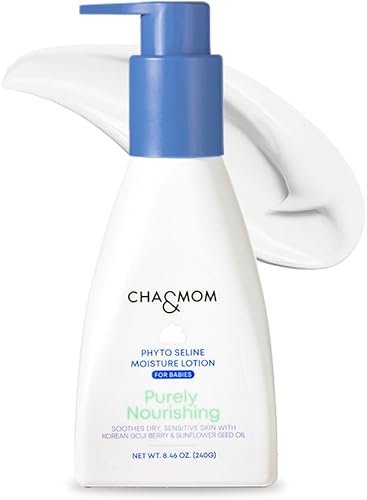
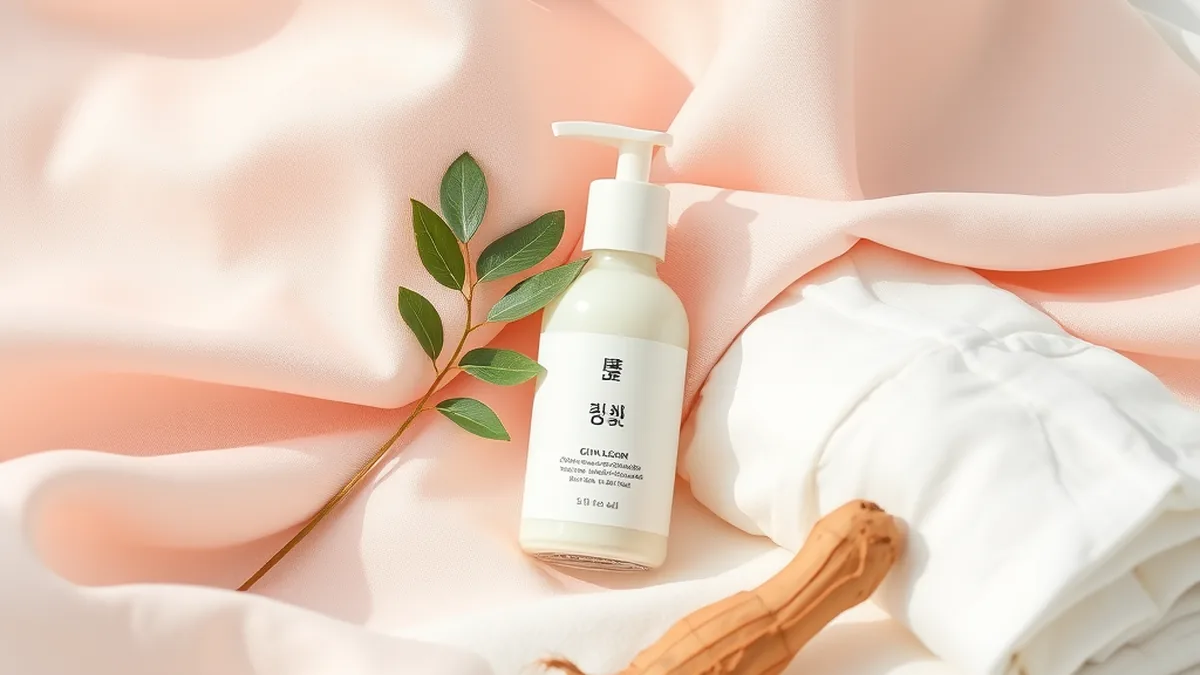
Mama Bear Korean Baby Lotion
Korean pediatric brand's daily moisturizing lotion. Hyaluronic acid plus rice extract. EWG 1-2 rated. Designed for sensitive Asian and mixed-heritage baby skin types. Made in South Korea.
- Hyaluronic + rice extract
- EWG 1-2
- Made in Korea
- Premium price (~$23)
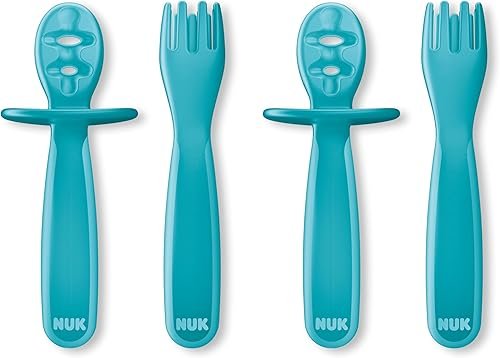
NUK Baby Spoon Set
Soft-tip baby spoon set designed for the start of solids around 4-6 months. Gentle silicone-coated tips protect tender gums, the ergonomic handles suit both parent-feeding and early self-feeding, and they are dishwasher safe.
- Soft gum-friendly tips
- Ergonomic handles
- Dishwasher safe
- Shallow scoop
- Plain design
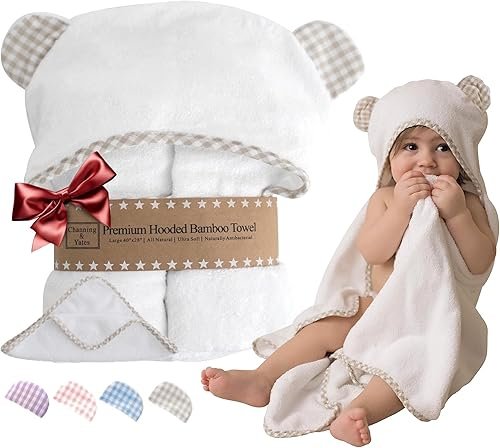
Korean Daiso Baby Bath Towel Set
Premium Korean cotton baby bath towel with ergonomic head cap. Made from 100% cotton with extra-soft texture. The most-popular Korean baby bath towel design - the hooded head cap design has been widely copied.
- 100% Korean cotton
- Ergonomic head cap
- Premium softness
- Smaller than US towels
- Premium price
Where to buy Korean baby products in the US
Best US sources in 2026:
- Amazon US Marketplace - many Korean brands now sell direct to US consumers
- Mamarang (mamarang.com) - dedicated Korean baby product importer with 100+ brands
- Kbaby (kbaby.com) - curated Korean baby product collection
- Sanhoo Mall (sanhoomall.com) - specialty K-baby retailer
- Direct shipping from Korea - Coupang, Gmarket, and other Korean e-commerce ship internationally (factor in 7-14 days)
- Asian-focused retailers in metropolitan areas (H Mart, Lotte Plaza)
What Korean baby brands do better than US brands
- Cica formulations for sensitive skin. Centella asiatica (cica) is a traditional Korean medicinal plant proven effective for atopic skin. Most US baby brands don't use this ingredient.
- Ergonomic feeding equipment. Korean baby spoons, bottles, and bib designs reflect detailed user-experience research that's rare in US baby products.
- Premium cotton sourcing. Korean baby textiles use premium-grade cotton with longer-fiber softness than typical US baby clothing.
- pH-balanced philosophy. Widely adopted in Korean pediatric care, less common in mainstream US brands.
Frequently asked questions
Related reading from Your Happy Baby
- Must-Have Baby Products: 2026 Registry Checklist
- Newborn Essentials Checklist
- Best Japanese Baby Products in 2026
- Best French Baby Products in 2026