Sending your baby to daycare is a significant logistical adjustment. Daycare centers typically have specific requirements: pre-portioned bottles labeled with your baby's name, sufficient diaper supply for the day, change of clothes, and feeding equipment. The standard "diaper bag" you used for park trips and grandparent visits won't quite cover the structured daycare day.
This guide covers the specific products that make daycare drop-off and pickup easier, based on input from working parents and daycare directors. Every product on this list either solves a recurring daycare logistic problem or has high adoption among daycare-using families per 2024-2026 parent surveys.
What daycare typically requires
Standard daycare requirements (verify with your specific center):
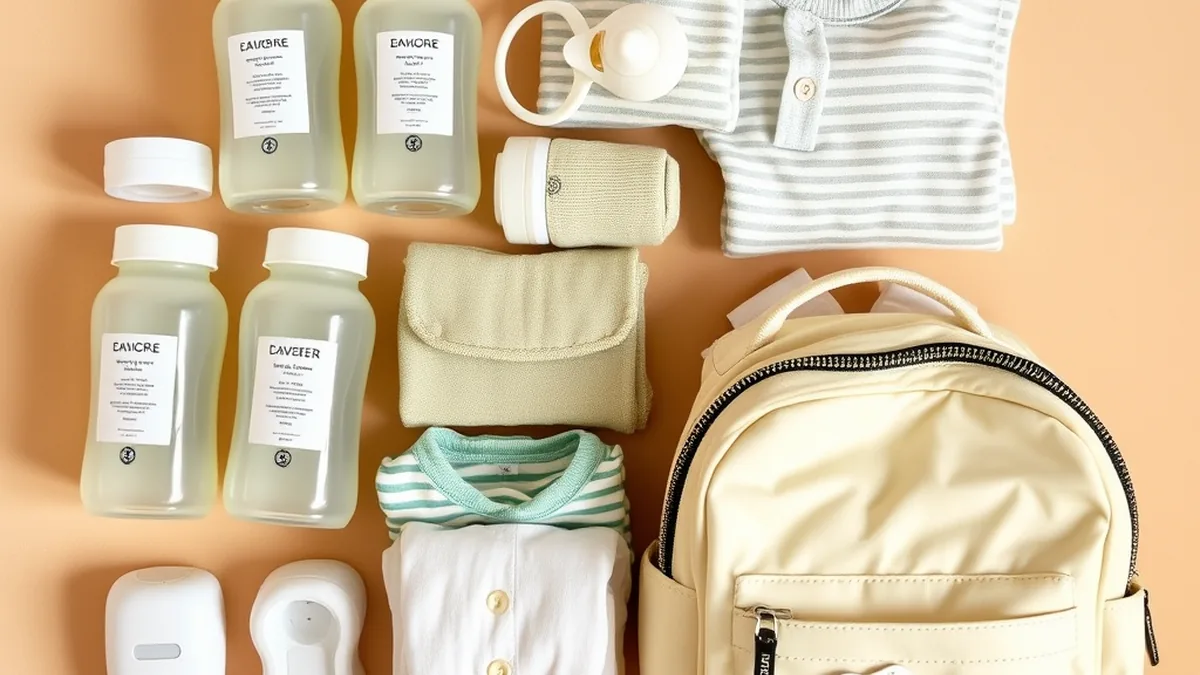
- Multiple pre-portioned bottles with your baby's name and date labeled on each (typically 4-6 for a full day)
- Sufficient diaper supply (8-10 diapers per day for younger babies, fewer for older)
- 1-2 changes of clothes for accidents and spills
- Personalized labels on every item that leaves the house
- Diaper rash cream if your baby is prone to rashes
- Pacifier or comfort item if applicable
- Sleep sack for nap time (most daycares don't accept loose blankets)
Our top 7 daycare baby product picks for 2026
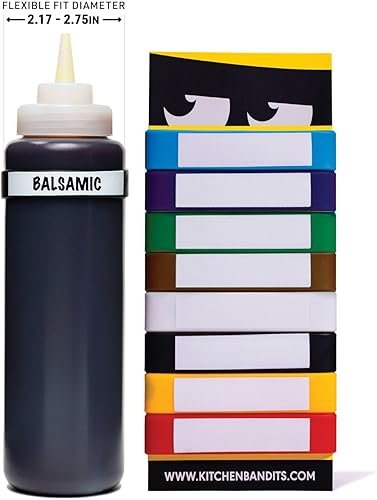
Waterproof Write-On Baby Bottle Labels
Write-on waterproof labels for daycare bottles, cups, and food containers. They survive the dishwasher, freezer, and bottle warmer without peeling, and the reusable design lets you re-label as your routine changes.
- Dishwasher and freezer safe
- Write-on and reusable
- Daycare-friendly
- Marker not always included
- Surface must be dry to write
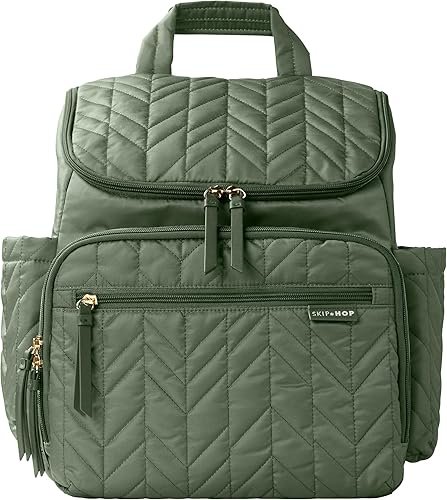
Skip Hop Forma Diaper Bag Backpack
Daycare-friendly diaper bag with 16+ compartments. Insulated bottle pockets for keeping milk cold during commute. Included changing pad. Detachable stroller straps. Built specifically for daily use rather than occasional outings.
- 16+ compartments
- Insulated bottle pockets
- Stroller-compatible
- Bulky for parent commute
- Premium price
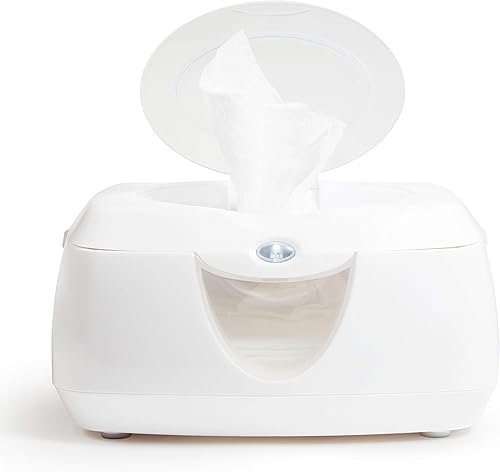
Munchkin Wipe Warmer
Wipe warmer that keeps wipes at body temperature in the diaper bag. Most daycare directors recommend warm wipes for sensitive newborn skin and to prevent the cold-wipe startle response that can cause crying.
- Keeps wipes warm
- Battery-powered option
- Compact
- Premium for what it is
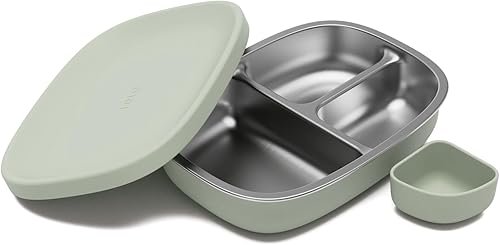
Lalo Kids Stainless Steel Insulated Lunch Container
Insulated stainless steel food container designed for daycare lunches (transitioning from infant feeding to toddler solids). Keeps food cold for 6+ hours. Leak-proof. Dishwasher safe. The most-popular daycare lunch container for 2026.
- Stainless steel
- Leak-proof
- 6-hour temperature control
- Premium price
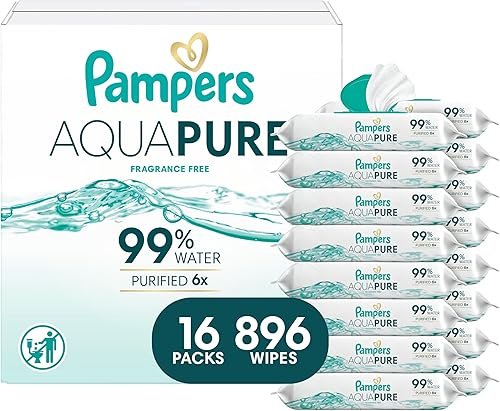
Pampers Pure Sensitive Wipes (8-Pack of 56)
Bulk wipes specifically for daycare day. Aqua-based, fragrance-free, paraben-free. NEA-accepted. Sufficient supply for 6-8 weeks of daycare days at typical usage rates.
- NEA-accepted
- Bulk packaging
- Fragrance-free
- Bulk storage takes space
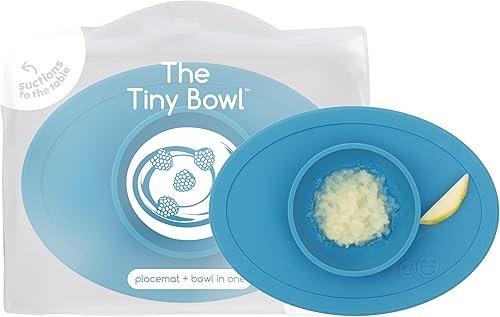
ezpz Mini Bowl with Suction Base
Suction-base food bowl that grips the high chair tray, preventing throwing. Food-safe silicone. Dishwasher and microwave safe. Specifically designed for daycare/toddler self-feeding.
- Suction base prevents throwing
- Microwave safe
- Compact
- Smaller than full-size bowl
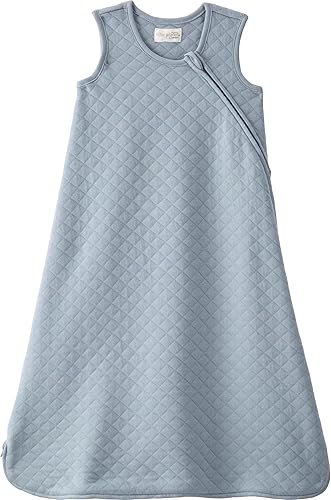
Carter's Baby Cotton Sleep Sack
Daycare-friendly sleep sack with quiet-close zipper. 0.5 TOG for daycare nap rooms (which are typically warm). Hypoallergenic, machine washable. The most-recommended sleep sack for daycare use in 2026.
- Hypoallergenic
- Machine washable
- Daycare nap-room-friendly
- Cheaper version of Halo
- Limited size range
Daycare bag organization tips
Effective daycare bag organization saves 10-15 minutes per drop-off:
- Use a dedicated "daycare bag" separate from your overnight diaper bag. Two bags reduce confusion.
- Label EVERYTHING with your baby's first name + last initial. Daycares mix gear constantly; labels are the only way to ensure return.
- Pack the night before. Use the morning for breakfast and quality time, not bag-packing.
- Keep a "daycare reserve" at home. 2-3 days' supply of diapers, wipes, formula, and snacks ready in case you forget to restock.
- Communicate with your daycare's daily report system. Most daycares use apps (Brightwheel, ProCare) to track feedings, naps, and diaper changes. Read them daily.
- Have a "go bag" of extras at the daycare (with their permission) - extra pacifiers, sleep sack, change of clothes - in case the main bag forgets something.
Frequently asked questions
Related reading from Your Happy Baby
- Must-Have Baby Products: 2026 Registry Checklist
- Newborn Essentials Checklist
- Best Japanese Baby Products in 2026
- Best French Baby Products in 2026