Toddler headphones limit volume to a safe level for developing ears, fit small heads without slipping, and survive being dropped, bent, and chewed. The best models cap output at 85 decibels, have a soft adjustable headband, work wired and wireless, and have a battery that lasts a full travel day. Here are the four best toddler headphones of 2026.
Puro Sound Labs BT2200s Kids Headphones
The Puro BT2200s is the best toddler headphone on this list for parents who care about sound quality as well as volume limiting. Puro built the BT2200 around hearing protection, with an 85 dB volume limit that is enforced in the headphone's electronics rather than in an app or a cable, and the company publishes its testing. The BT2200s is the current version, with Bluetooth 5, a 20-hour battery, and a daisy-chain port so two children can share one tablet with a single cable.
The sound is the Puro's distinguishing feature: where most kids headphones are tinny, the BT2200s has balanced, clear audio that an adult would not mind using, which matters because a child who can hear clearly at 85 dB has less reason to want it louder. The ear cups are soft protein leather and the aluminum headband is light and adjustable, fitting children from about 2 years to young teens. The headphones fold flat and come with a hard case.
The Puro is wireless by default and includes a cable for wired use with the volume limit preserved. It has a built-in microphone for video calls. The 20-hour battery covers a transatlantic flight and back. The BT2200s is available in several colors.
At $99.99, the Puro BT2200s is the most expensive headphone on this list. For families who fly often, want the volume limit enforced in hardware, and want sound quality good enough that the child does not push for more volume, the Puro is the standard the rest of the category is compared to.
Best for: Frequent-flying families who want a hardware-enforced 85 dB limit, 20-hour battery, and sound quality good enough that a child does not want it louder.
Volume limit: 85 dB, enforced in hardware
Battery: 20 hours wireless, wired mode included
Price: $99.99
BuddyPhones Explore+ Foldable Kids Headphones
The BuddyPhones Explore+ is the best wired toddler headphone on this list and the one that most families buy for a 2-4 year old, because it is nearly indestructible, has a volume limit built into the cable, and comes with stickers so the child can decorate it. The Explore+ is a wired headphone with a flexible, bend-anywhere headband that survives being sat on, and a detachable cable with an inline 85 dB limiter. The wired design means no battery to charge and no Bluetooth pairing to manage, which for a 2-year-old's tablet on a car ride is simpler.
The Explore+ has a built-in audio splitter in the ear cup, so up to four headphones can chain from one tablet, which is why it is common on family road trips. The ear cups are soft foam and the headband is padded. BuddyPhones sells it with a travel bag and a sheet of decorative stickers. The headband adjusts to fit children from about 2 years to 8.
The Explore+ is wired only, so it needs a tablet with a headphone jack or an adapter. The sound is adequate for cartoons and audiobooks; it is not a music headphone. The limiter is in the cable, so a replacement cable without a limiter would bypass it, which is a reason to buy BuddyPhones' own replacement cables.
At $29.99, the BuddyPhones Explore+ is the most affordable headphone on this list. For a toddler's first headphones, for a spare pair in the car, and for families who do not want to manage charging, it is the practical default.
Best for: A first wired headphone for a 2-4 year old, bendable and nearly indestructible, with a built-in splitter and decorative stickers.
Volume limit: 85 dB, inline on the cable
Connection: Wired only, built-in 4-way splitter
Price: $29.99
LilGadgets Connect+ Pro Kids Headphones
The LilGadgets Connect+ Pro is the best-fitting wired toddler headphone on this list for small heads, and the one with the most comfortable ear cups. LilGadgets designed the Connect+ around children 3 to 7, with a headband that extends from very small to medium and ear cups with thick, soft padding that do not clamp. For a child who takes off other headphones because they pinch or slip, the Connect+ is frequently the pair that stays on.
The Connect+ Pro is wired with a 93 dB volume limit, slightly higher than the 85 dB on the Puro and BuddyPhones, which LilGadgets positions as a compromise for use in noisy environments like airplanes where 85 dB can be hard to hear over engine noise. The headphones have LilGadgets' SharePort, which lets a second pair plug in without a splitter. The cable is detachable and nylon-braided. The headband is a durable polycarbonate.
The Connect+ Pro comes in a range of colors with a soft carrying pouch. The 93 dB limit is a consideration: it is within the range considered safe for limited durations, but it is louder than the other three headphones on this list and parents should keep sessions shorter at that level. LilGadgets also sells the Untangled Pro, a Bluetooth version with the same fit.
At $44.99, the LilGadgets Connect+ Pro is priced above the BuddyPhones and well below the Puro. For a child who finds other headphones uncomfortable, and for noisy travel environments where a slightly higher limit helps, the Connect+ Pro is the fit-first choice.
Best for: Children who find other headphones uncomfortable, with thick soft ear cups and a small-to-medium headband; 93 dB limit suits noisy travel.
Volume limit: 93 dB
Connection: Wired, SharePort for a second pair
Price: $44.99
JBL JR310BT Kids Wireless Headphones
The JBL JR310BT is the best budget wireless toddler headphone on this list and the one for families who want Bluetooth without the Puro's price. JBL is a mainstream audio brand, and the JR310BT applies its engineering to a kids headphone: an 85 dB volume limit, Bluetooth 5 with a 30-hour battery, a padded headband with a custom fit for children 3 and up, and a built-in microphone for calls. It is the longest-lasting battery on this list.
The JR310BT's ear cups are soft and the headband is flexible. It includes a cable for wired use. The headphones fold and come with stickers. Sound quality is a step below the Puro but a clear step above the wired budget options; cartoons and music both sound full. The JBL app allows a parent to check battery level.
The JR310BT does not have a daisy-chain port or splitter, so two children need two Bluetooth connections (most tablets support only one) or an adapter. The volume limit is enforced in the headphone. The fit runs slightly large for 2-year-olds; it is best from 3 years.
At $49.99, the JBL JR310BT is half the price of the Puro for a wireless headphone with a longer battery. For families who want Bluetooth for a 3-6 year old without paying for the Puro's audio quality, it is the best value in wireless.
Best for: Families who want wireless with a 30-hour battery and an 85 dB limit at half the Puro's price, for children 3 and up.
Volume limit: 85 dB
Battery: 30 hours wireless, wired cable included
Price: $49.99
How to Choose Toddler Headphones
What volume limit is safe for children?
The World Health Organization and most pediatric audiologists recommend a maximum of 85 dB for children, with listening time limited to a few hours a day at that level. Adult headphones can exceed 100 dB, which can cause permanent damage in minutes. All four headphones on this list limit volume; three at 85 dB and the LilGadgets at 93 dB. The limit should be enforced in the headphone or an attached cable, not by a setting the child can change.
Wired or wireless?
Wired headphones (BuddyPhones, LilGadgets) have no battery to charge, no pairing, and are cheaper, but they need a headphone jack and the cable is a snag point. Wireless (Puro, JBL) is cable-free and works with any tablet, but needs charging and the child must be old enough not to lose them. For 2-3 year olds, wired is simpler; from 3-4, wireless is convenient, and both wireless models include a cable as a backup.
Over-ear or on-ear?
All four headphones on this list are on-ear or small over-ear designs sized for children. Full-size over-ear headphones do not fit toddler heads and slide off. Look for a headband that adjusts small enough to fit without the cups resting on the jaw, and soft padding that does not clamp. The LilGadgets fits the smallest heads; the JBL runs largest.
Frequently Asked Questions
At what age can a toddler wear headphones?
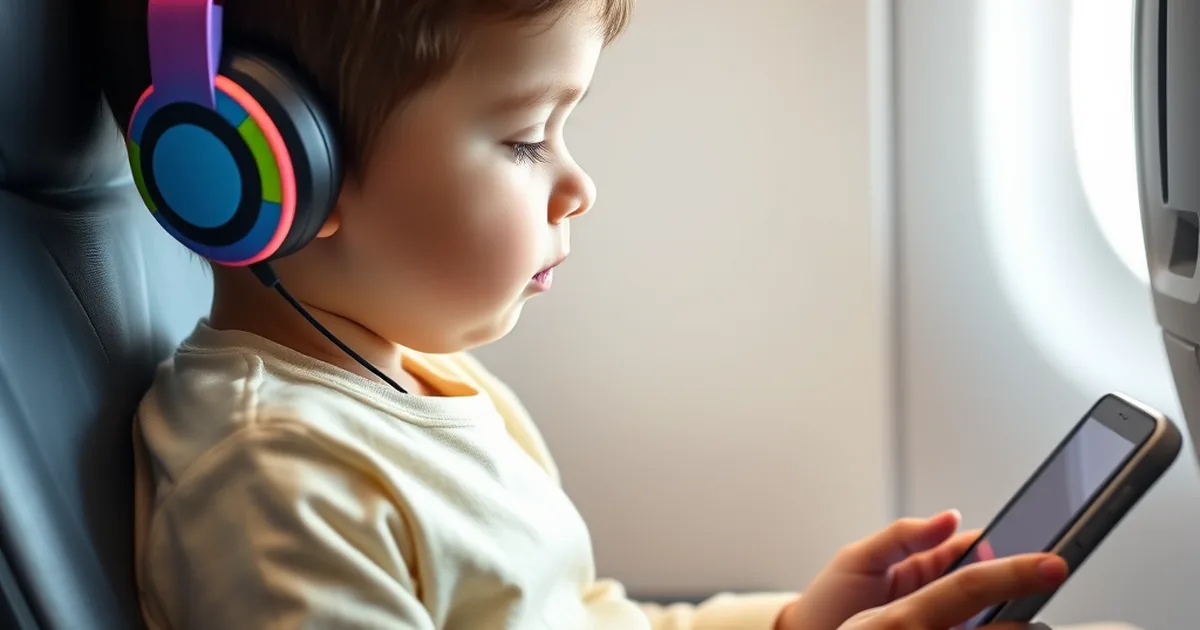
From about 2 years for short periods with volume-limited headphones, typically on flights or long drives. Many pediatric audiologists suggest keeping headphone use minimal before 3 and limiting it to an hour or two a day after that. A child who pulls headphones off is not ready; do not force them.
Can a toddler use adult headphones at low volume?
Not safely. Adult headphones have no hard limit, so a child (or an app's loud advertisement) can push the volume to damaging levels in a moment. Adult headphones also do not fit toddler heads. Volume-limited kids headphones exist for this reason.
Are noise-canceling headphones good for toddlers?
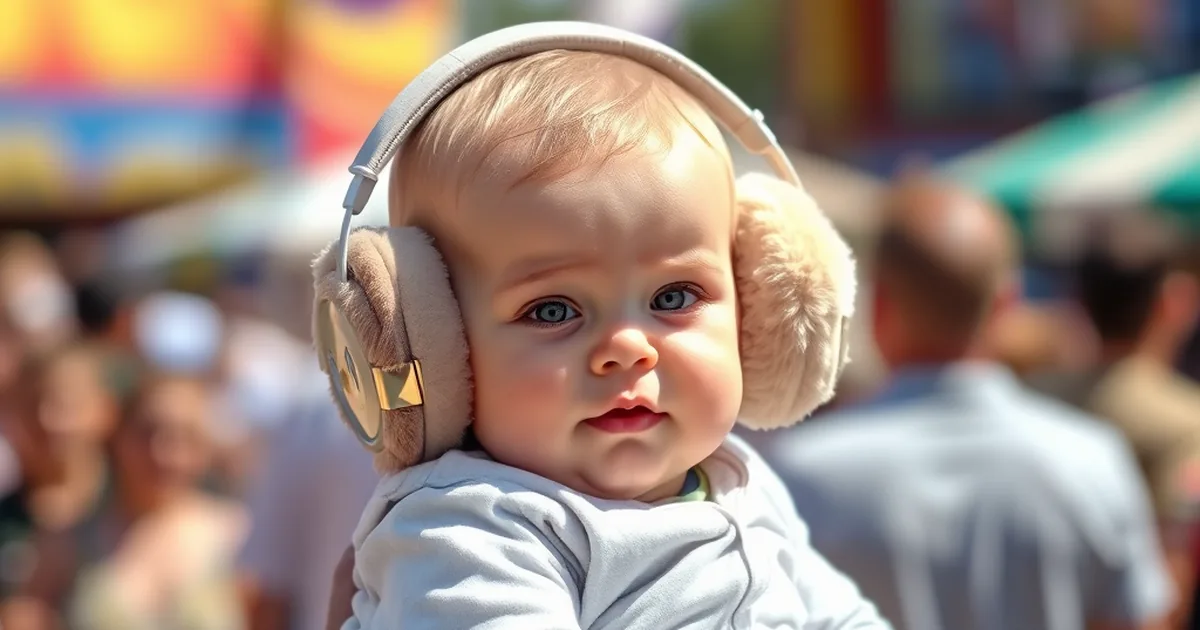
Active noise canceling is rare in kids headphones and not necessary; the volume limit is the safety feature that matters. Passive noise reduction from well-sealing ear cups helps a child hear content at a safe volume in a noisy place. For hearing protection in loud environments (concerts, fireworks), a child needs earmuffs rated for noise reduction, which are a different product.