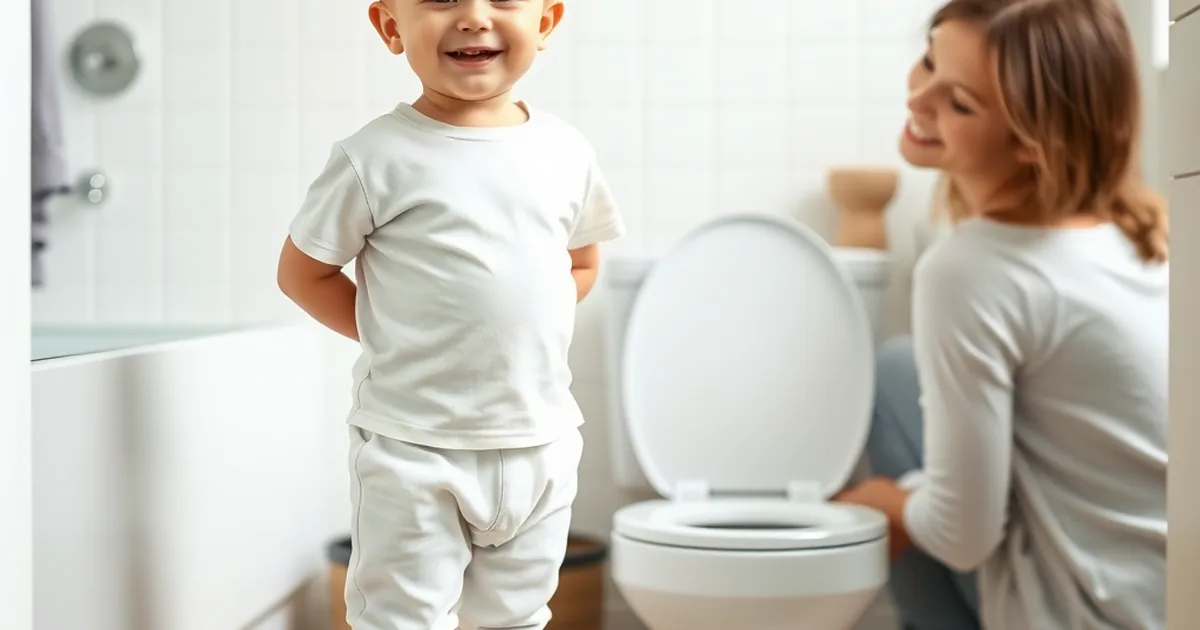
Training pants bridge the gap between diapers and underwear, and they are among the best-selling toddler products on Amazon. The four picks below come straight from Amazon's Training Pants best seller list and cover the three situations most families face: daytime learning, overnight protection, and the move to real cotton underwear. Here are the best potty training pants of 2026.
Pampers Easy Ups
Pampers Easy Ups is the number one best-selling training pant on Amazon, with more than 46,000 ratings. It is designed to feel like underwear rather than a diaper: the material is cottony soft, the sides are stretchy, and a 360-degree waistband lets toddlers pull the pants up and down on their own.
Easy Ups offers up to 100 percent leakproof protection for both day and night, with leak guard barriers around the legs. That makes it the simplest choice for families who want one product for everything. The sides tear open for messy changes, and the popular character designs, currently Bluey, help with toddler buy-in.
Easy Ups is very absorbent, which is a strength at night and a possible weakness in the day. Because it keeps skin feeling dry, some toddlers do not notice when they have had an accident. Children who need to feel wetness to learn may progress faster in Pull-Ups.
Best for: Families who want one soft, highly absorbent training pant for both day and night.
Sizes: 2T-3T through 5T-6T
Standout feature: Underwear-like 360-degree stretchy waistband
Price: About $51 for 124 count (size 3T-4T)
Huggies Pull-Ups Potty Training Pants
Pull-Ups is the brand that defined the category, and the boys' and girls' versions hold the number two and number three spots on Amazon. Its key feature is the Learning Layer. Pull-Ups says it is the only training pant with a layer designed to feel briefly wet after an accident while still keeping the child dry, so toddlers learn to connect the sensation with needing to go.
The other practical advantage is refastenable sides. Parents can open and reclose the pants for a quick check or a standing change without taking off shoes and trousers, which matters at daycare and on outings. Absorbency is placed where boys and girls need it most, and the pants are dermatologist tested for sensitive skin.
Pull-Ups is a little less absorbent than Easy Ups by design, so heavy wetters may need the Night-Time version for sleep. The link below goes to the boys' version; the girls' version is a separate listing.
Best for: Daytime potty learning, daycare, and toddlers who need to feel wet to learn.
Sizes: 2T-3T through 6T-7T
Standout feature: Learning Layer and refastenable sides
Price: About $47 for 112 count (size 3T-4T)
Pull-Ups Night-Time Training Pants
Staying dry overnight is a separate developmental step from daytime training and often comes months or years later. Pull-Ups Night-Time is the best-selling training pant made for that gap. Huggies says it absorbs more than its Little Movers diapers, with up to 100 percent leak-free protection through the night.
The pants still pull up and down like underwear, so a child who wakes to use the toilet can manage alone, and they are soft and breathable enough for a full night. Using a distinct night pant also helps children understand that underwear is for daytime and this is just for sleep.
They cost more per pant than daytime Pull-Ups and come in smaller boxes. Since most children only need one a night, a box lasts close to two months.
Best for: Children who are dry during the day but still wet at night.
Sizes: 2T-3T through 5T-6T
Standout feature: Extra overnight absorbency in a pull-on pant
Price: About $35 for 52 count (size 4T-5T)
BIG ELEPHANT Cotton Training Underwear
BIG ELEPHANT is the best-selling reusable training underwear on Amazon, with more than 10,000 ratings. These are real cotton underpants with a built-in absorbent liner in the center. They will not hold a full accident the way a disposable does, and that is the idea: they catch small dribbles, slow down a bigger accident, and let the child feel wet immediately.
The body is 100 percent cotton with a soft elastic waistband and leg openings, and they pull on like normal underwear. They are machine washable and sold in multi-packs so there are always spares. Over a few months of training they cost far less than disposables.
Cotton trainers mean more laundry and the occasional puddle. They work best at home during focused training and for children who are mostly reliable but still have small accidents. Most families pair them with a disposable for naps, nights, and car trips.
Best for: Daytime training at home and toddlers nearly ready for regular underwear.
Sizes: 2T through 6T
Standout feature: Washable 100% cotton with a light absorbent liner
Price: About $20 for a 6-pack
How to Choose Potty Training Pants
Disposable or cloth?
Disposables contain accidents fully and are easiest for outings, daycare, and sleep. Cloth trainers let children feel wet, which speeds learning for many toddlers, and cost less over time. A mix of both is the most common approach.
Day and night are different jobs
Daytime pants should help a child notice accidents. Night pants should simply keep the bed dry. Night dryness depends on physical maturity, so there is no need to rush it.
Size by weight
Training pant sizes use clothing-style labels but follow weight ranges on the pack. A pant that is too loose leaks at the legs, and one that is too tight is hard for a toddler to pull up alone.
Frequently Asked Questions
When should a child switch from diapers to training pants?
Switch when potty training begins in earnest, typically between ages 2 and 3, once a child shows signs of readiness such as staying dry for two hours, telling a parent when they need to go, and showing interest in the toilet.
Are training pants just diapers with a different shape?
Disposable training pants are absorbent like diapers but are built to be pulled up and down by the child, which is the skill potty training depends on. Some, like Pull-Ups, add features that let the child feel wetness.
How long do children wear night-time training pants?
It varies widely. Many children stay dry at night by age 5, and bedwetting until age 7 is common and usually not a medical concern. Talk to the pediatrician if it continues beyond that or starts again after a long dry period.