Bibs are bought in bulk twice: once for the drooling and teething months and again when solid food starts. The four below are the top sellers in Amazon's Bibs category, each with thousands of ratings, and they cover both jobs. Two are absorbent fabric bibs for drool, one is a wipe-clean silicone bib for meals, and one is a full smock for the messiest eaters. Here are the best baby bibs of 2026.
PandaEar Silicone Baby Bibs
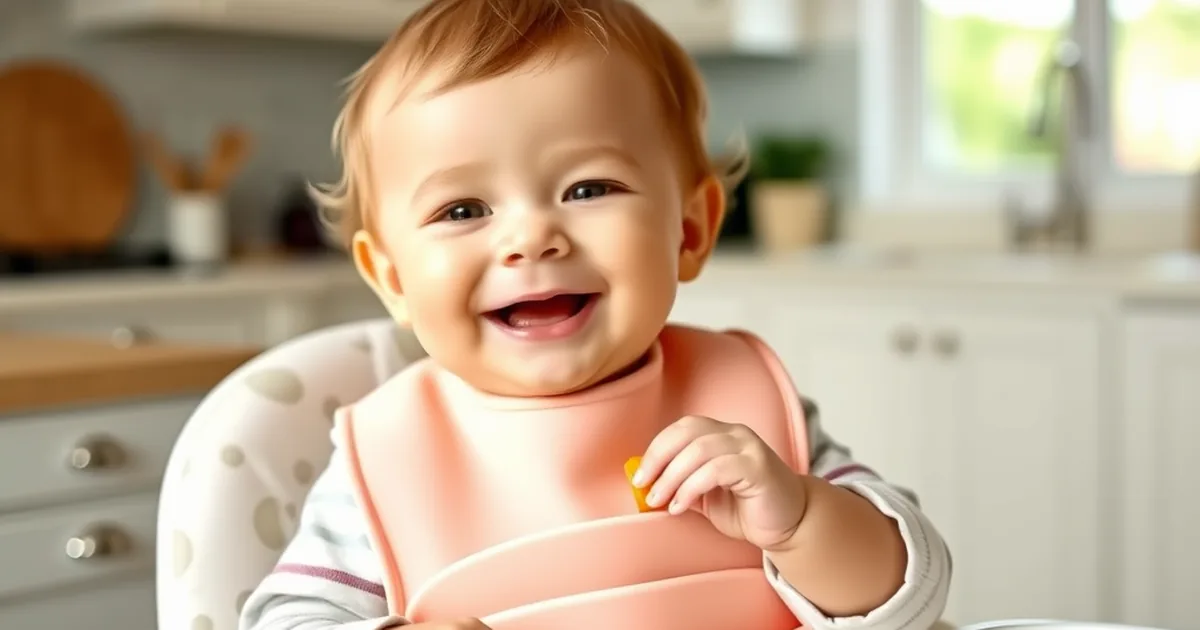
The PandaEar silicone bib is the best-selling feeding bib on Amazon, with more than 22,000 ratings and a 4.8-star average. It is a soft, flexible silicone bib with a deep, stiff pocket at the bottom that catches dropped food and spilled drinks before they reach the lap.
Silicone does not absorb anything, so the bib rinses under the tap or goes in the dishwasher, and it never needs laundering. The neck strap adjusts to four sizes to fit children from 10 months to 6 years. The 3-pack is one of the cheapest ways to get through a week of meals.
Silicone bibs are for eating, not drool: they do not absorb, so a teething baby in a silicone bib will have a wet chest. Very young babies can also dislike the slight stiffness at the neck.
Best for: Mealtimes from the start of solids through the toddler years.
Type: Silicone with food-catching pocket, 3-pack
Age: 10 months to 6 years
Price: About $12 for 3
KeaBabies Organic Bandana Bibs
KeaBabies bandana bibs are the best-selling drool bib on Amazon, with more than 20,000 ratings. They look like a small triangular scarf, which is the point: a teething baby can wear one all day without looking like they are wearing a bib.
Each bib has two layers of organic cotton on the front for absorbency and a soft polyester fleece backing that keeps moisture off the baby's clothes. Three-position nickel-free snaps adjust the fit from newborn to toddler. The 8-pack in neutral colors means a fresh bib every time one gets soaked, which during heavy teething can be several times a day.
Bandana bibs cover the chest, not the shoulders, so a determined drooler can still soak a collar. They are for drool, not food; purees will stain the cotton.
Best for: All-day drool protection during teething that looks like an outfit, not a bib.
Type: Organic cotton bandana with fleece backing, 8-pack
Age: Newborn to toddler, 3 snap settings
Price: About $25 for 8
Konssy Muslin Baby Bibs
Konssy muslin bibs have the highest rating on this list, 4.9 stars, and are the softest option. The front is 100 percent cotton muslin, the gauzy fabric used in swaddles, which gets softer with every wash and is very absorbent. The back is a comfort fleece that stops moisture reaching clothes.
Two nickel-free snaps adjust the neck. The bibs are large enough to double as burp cloths or washcloths in a pinch, and the 8-pack comes in muted prints that suit boys and girls. At well under two dollars a bib, they are the best value fabric bib here.
Muslin wrinkles and the lightweight fabric is less durable over years of washing than heavier cotton. For newborns and babies with sensitive skin, the softness is worth it.
Best for: Newborns and sensitive skin. The softest, most absorbent drool bib.
Type: Cotton muslin with fleece backing, 8-pack
Age: Newborn and up, 2 snap settings
Price: About $13 for 8
Tiny Twinkle Long Sleeve Bib
Baby-led weaning and self-feeding toddlers defeat any normal bib. The Tiny Twinkle Long Sleeve Bib is the best-selling smock-style bib for that stage: a waterproof shirt that covers the arms, chest, and lap, with elastic cuffs at the wrists so yogurt does not travel up the sleeves.
The quick-dry polyester wipes clean in seconds or goes through the washing machine. It is lightweight and non-restrictive, so a child can move freely, and it works for painting and messy play as well as meals. It is rated 4.7 stars by more than 5,000 parents.
A smock is more to put on and take off than a clip bib and is warm in hot weather. It has no food-catching pocket, so dropped food lands on the tray or the floor instead. For a baby who feeds themself, it is the only bib that keeps the outfit clean.
Best for: Baby-led weaning, self-feeding toddlers, and messy play.
Type: Waterproof long-sleeve smock
Age: 6 months to toddler
Price: About $24
How to Choose Baby Bibs
Drool bibs and feeding bibs are different products
Drool bibs need to absorb and should be fabric with a waterproof backing. Feeding bibs need to catch and wipe clean and should be silicone or coated fabric. Most families need a stack of the first and two or three of the second.
Check the closure
Snaps are secure and adjustable but take two hands. Velcro is quick but catches on other laundry and loses grip. Silicone bibs with a notched strap are the easiest to adjust and hold up best.
Buy more drool bibs than seems reasonable
A heavily teething baby can soak a bib in under an hour. Eight to twelve fabric bibs is a normal rotation.
Frequently Asked Questions
When do babies start wearing bibs?
Many families use small bibs from birth to catch spit-up, then switch to drool bibs when teething begins around 3 to 4 months, and add feeding bibs when solids start around 6 months.
Are silicone bibs safe?
Food-grade silicone bibs are free of BPA, PVC, and phthalates and are widely considered safe. Check that the bib is labeled food grade and that the strap cannot be pulled tight.
How do you get stains out of bibs?
Rinse food bibs right after the meal. For fabric, treat stains with a baby-safe stain remover and wash in warm water; sunlight bleaches most food stains out of cotton. Silicone can be soaked in a baking soda solution to remove odors and discoloration.