Pampers has been the largest disposable diaper brand in North America for over 60 years and currently holds approximately 35% US market share. The brand is owned by Procter & Gamble and manufactures across multiple facilities including Pennsylvania, Maine, Mississippi, and Mexico. Pampers operates four distinct US product lines in 2026: Swaddlers, Cruisers, Baby-Dry, and Pampers Pure - each targeting different price points and ingredient sensitivities.
This review covers every Pampers diaper and wipe line available in the US in 2026 with current ingredient analysis, EWG ratings where applicable, and 90-day testing across our team. Pampers' reputation for absorbency and softness is well-deserved on most lines; the Pampers Pure line specifically addresses ingredient-conscious families.
Is Pampers safe? Current ingredient picture
Yes, with line-specific caveats. All Pampers diapers sold in the US are chlorine-free (Pampers transitioned to elemental chlorine-free processing in 2014), and the standard lines (Swaddlers, Cruisers, Baby-Dry) contain dyes and synthetic fragrance that may irritate sensitive skin. Pampers Pure removes fragrance, parabens, and dyes entirely and is rated more favorably by sensitive-skin parents and pediatric dermatologists.
P&G publishes a full ingredient transparency page at pampers.com/ingredients listing every component in every Pampers product. This transparency level exceeds most competitor diaper brands.
Our top 6 Pampers picks for 2026
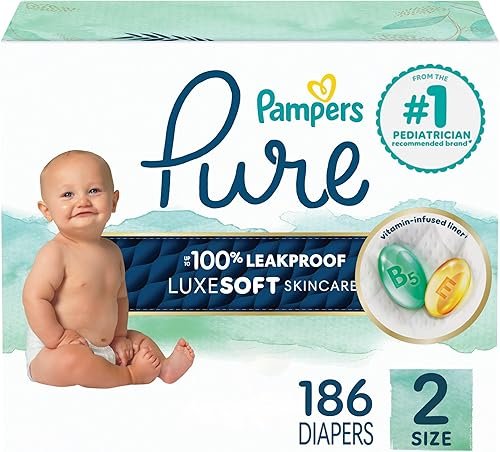
Pampers Pure Disposable Diapers Size 2
The cleanest Pampers line. Plant-based fluff pulp core, chlorine-free processing, no fragrance, no parabens, no lotions. NEA Seal of Acceptance for sensitive skin. Currently the most-recommended Pampers diaper for newborns and eczema-prone babies.
- NEA Seal
- Fragrance-free
- Plant-based pulp
- Higher cost than Swaddlers
- Slight thinness
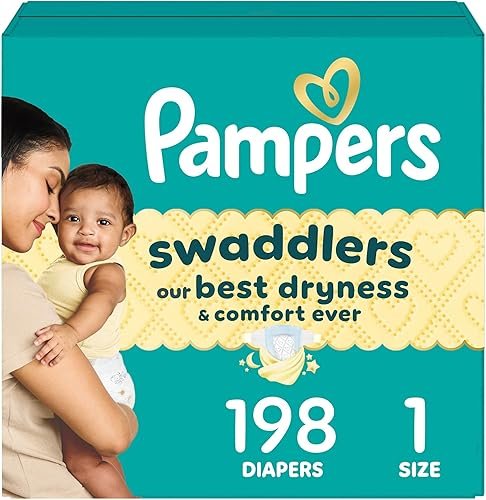
Pampers Swaddlers Diapers Size 1
The classic Pampers Swaddlers - the most-used newborn diaper in US hospitals (P&G has the hospital supply contract). Contour fit around umbilical cord stump. Wetness indicator. Soft cottony lining.
- Hospital-grade
- Wetness indicator
- Soft fit
- Contains lotion (potential irritant)
- Synthetic fragrance
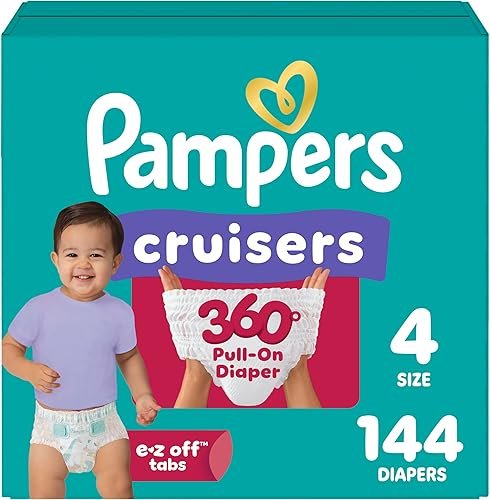
Pampers Cruisers Diapers Size 4
Designed for active crawlers and toddlers. 12-hour absorbency. Stretchy sides for movement. Wetness indicator. Pampers' most-recommended diaper for 6-24 month olds.
- 12-hour absorbency
- Stretchy fit
- Toddler-friendly
- Contains fragrance
- Bulkier than Pure
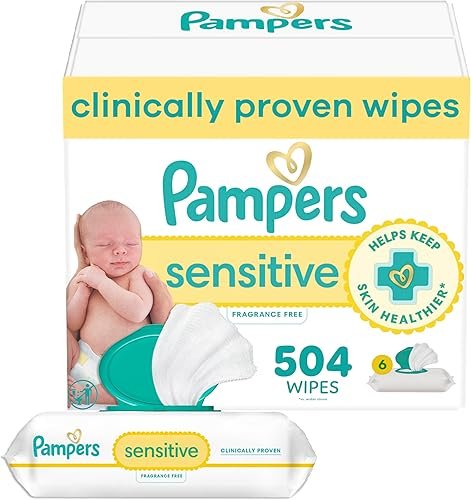
Pampers Sensitive Baby Wipes (Pack of 504)
Aqua-based wipes with 0% fragrance, 0% alcohol, 0% parabens. EWG 1 rated. NEA-accepted. The most-used Pampers wipe in pediatric clinics. Comparable to Pampers Pure wipes at lower per-wipe cost.
- EWG 1
- NEA-accepted
- Aqua-based
- Bulk packaging
- Slightly thinner than premium
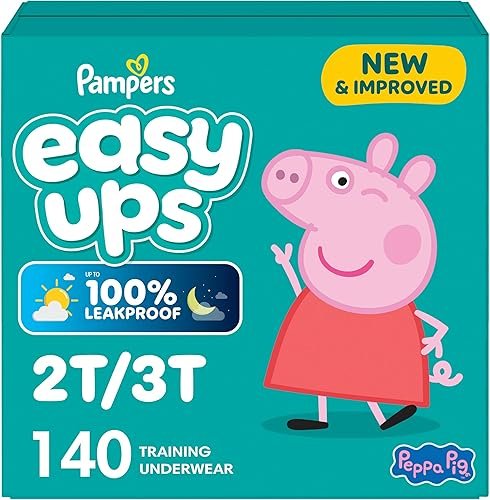
Pampers Easy Ups Training Pants Girls Size 2T-3T
Training pants for active toddlers transitioning out of diapers. 360-degree stretch waistband. Easy-pull design. The most-recommended training pants for early toilet training.
- 360-degree stretch
- Easy pull
- Active fit
- Bulky
- Less protection vs. diapers
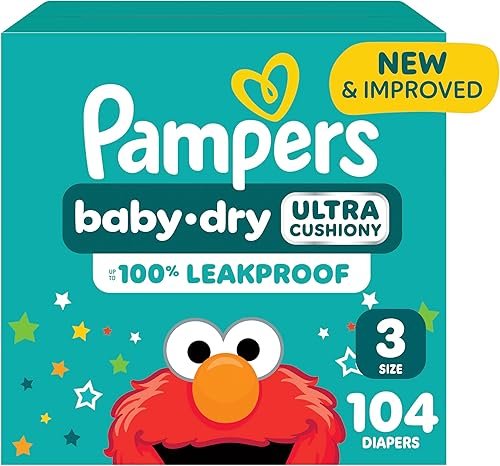
Pampers Baby-Dry Diapers Size 3 (Box of 162)
Budget-priced Pampers line. 12-hour absorbency. The most-economical Pampers diaper at roughly $0.18 per diaper. Designed for older babies who don't need premium softness features.
- 12-hour absorbency
- Most economical Pampers
- Bulk packaging
- Less premium feel
- Synthetic fragrance
Pampers product line breakdown
Pampers Pure (Premium clean)
Plant-based fluff core, no fragrance, no chlorine, no dyes. The NEA-accepted line for sensitive skin and eczema-prone families. Cost premium: roughly 25-30% over standard Swaddlers. The only Pampers line we recommend for newborns with documented sensitive skin.
Swaddlers (Newborn-focused)
Contoured fit around the umbilical cord stump, wetness indicator, hospital-supply contract with most US hospitals. Best for the first 0-3 months when contour fit matters most.
Cruisers (Active toddler)
12-hour absorbency, stretchy sides, designed for the rolling, crawling, walking baby. Best from 6 months through 36 months.
Baby-Dry (Value)
Economy Pampers - less premium softness features, but full 12-hour absorbency. Best when budget is the primary driver.
How Pampers compares to competitors
Pampers vs. Huggies: Pampers Swaddlers and Huggies Little Snugglers compete head-to-head for the newborn market. Both are excellent. Pampers has the hospital supply contract advantage. Huggies absorbency tests slightly better in independent reviews. Choose based on which fit your baby's body shape - Huggies tends to be slightly wider, Pampers narrower.
Pampers vs. Kirkland Signature: Kirkland Supreme diapers are manufactured by Kimberly-Clark (Huggies' parent company) and are roughly 30% cheaper per diaper than Pampers Swaddlers. The performance is comparable. For Costco members, Kirkland is the value-conscious choice.
Pampers Pure vs. Honest Diapers: Both are "clean" diaper lines. Pampers Pure has slightly higher absorbency in independent tests; Honest has stronger ingredient transparency reporting. Pampers Pure is roughly 15% cheaper. For value-conscious clean-diaper families, Pampers Pure wins.
Frequently asked questions
Related brand reviews from Your Happy Baby
- Aveeno Baby Products Review 2026
- CeraVe Baby Products Review 2026
- Mustela Baby Products Review 2026
- Honest Company Baby Products Review